Welcome to the official website of the National Bank of Moldova!
×
Do you have good eyesight and want to turn this tool off?



Welcome to the official website of the National Bank of Moldova!
You can choose one of the most popular reports from the list:
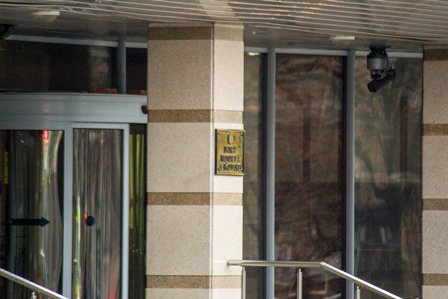
National Bank and the members of its decision-making bodies shall be independent in exercising the tasks conferred upon them by law, and shall neither seek nor take instructions from public authorities or from any other authority.
In order to ensure and maintain price stability over the medium term, the National Bank’s aim will be to keep inflation (measured by Consumer Price Index) at the level of 5.0 percent annually with a possible deviation of ± 1.5 percentage points, considered to be optimal for growth and development of Moldova's economy over the medium-term.

Financial stability is achieved by strengthening the resilience of the financial system, limiting the contagion effect and reducing the accumulation of systemic risks, thus contributing to the sustainability of the financial sector and economic growth.
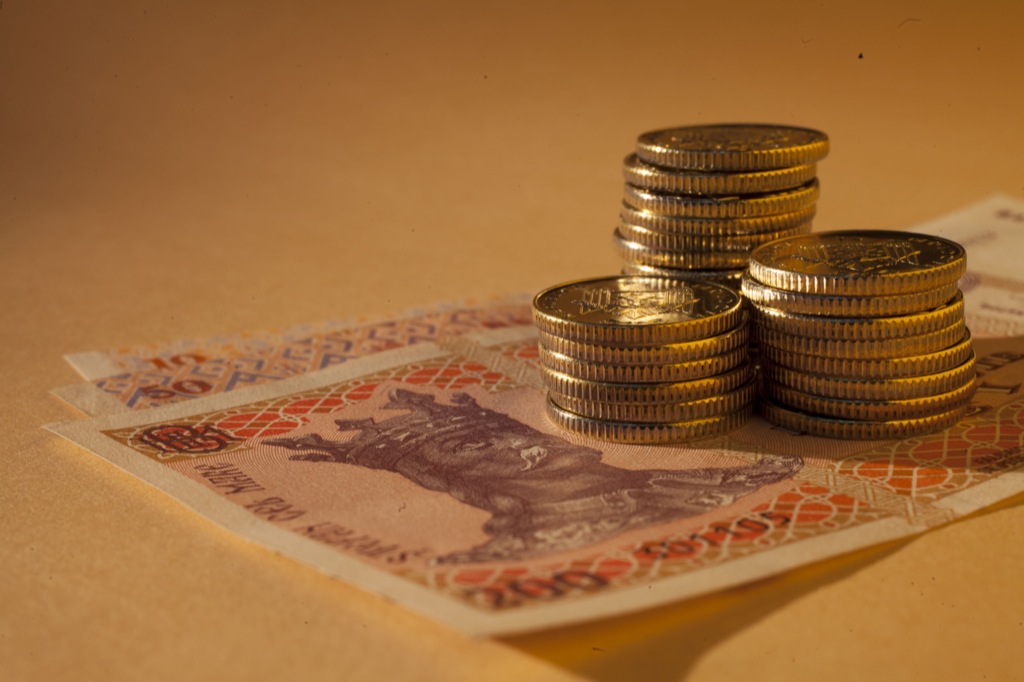
National Bank shall have the exclusive right to issue on the territory of the Republic of Moldova banknotes and coins as legal tender, as well as commemorative and jubilee banknotes and coins as legal tender and for numismatic purposes.

National Bank is exclusively responsible for the licencing, supervision and regulation of financial institutions activity.
National Bank of Moldova acts as banker and fiscal agent of the State and shall receive from state bodies economic and financial information and documents, which are necessary for carrying out its tasks.
National Bank of Moldova is an autonomous public legal entity and is responsible to the Parliament.

National Bank shall inform the public on the monetary policy strategy on the results of the macroeconomic analysis, the evolution of the financial market and on statistics, including with regard to monetary supply, crediting, balance of payments and the state of the foreign exchange market.

National Bank of Moldova is responsable for the compilation of the balance of payments, international investment position and the statistics of the external debt of the Republic of Moldova.
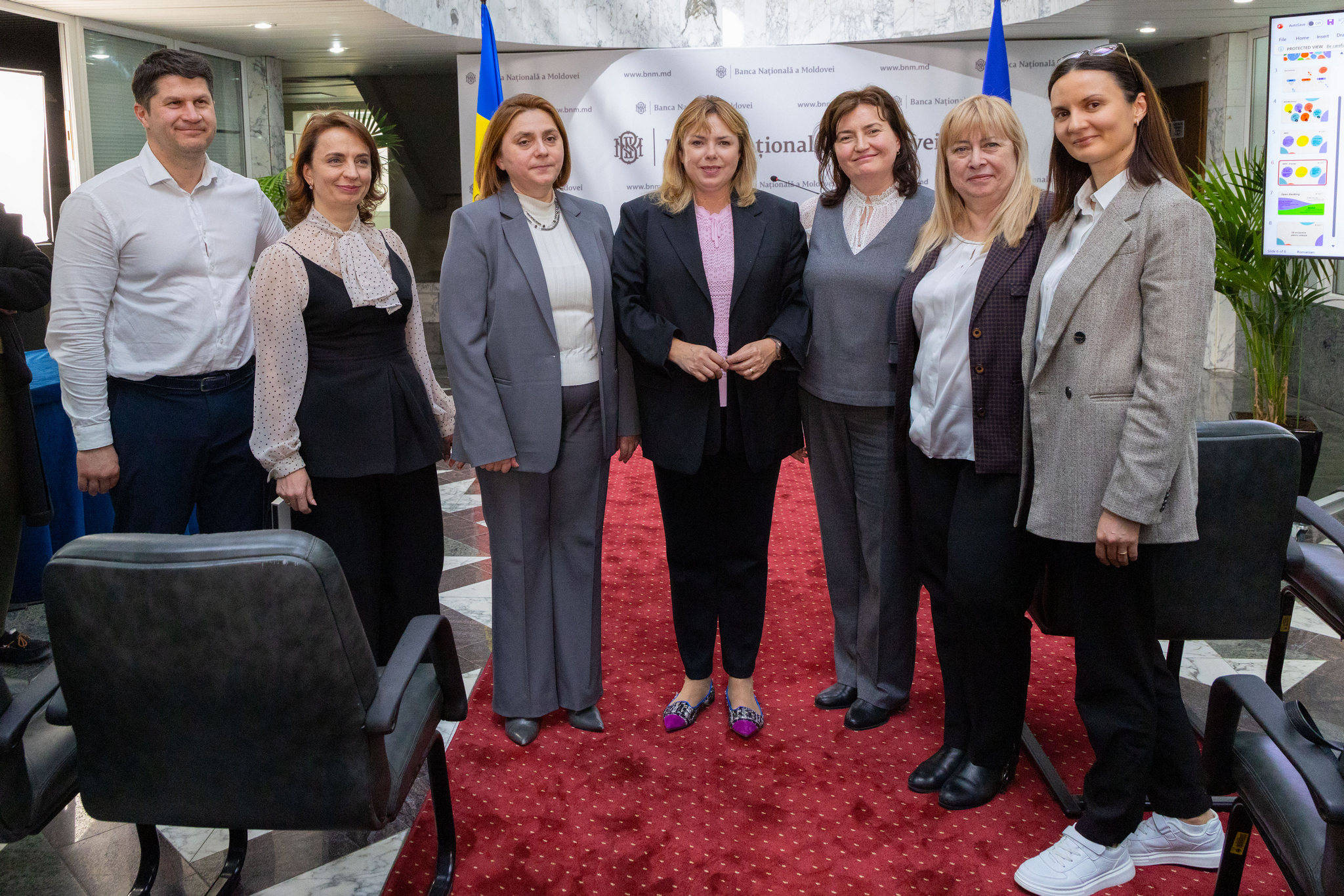
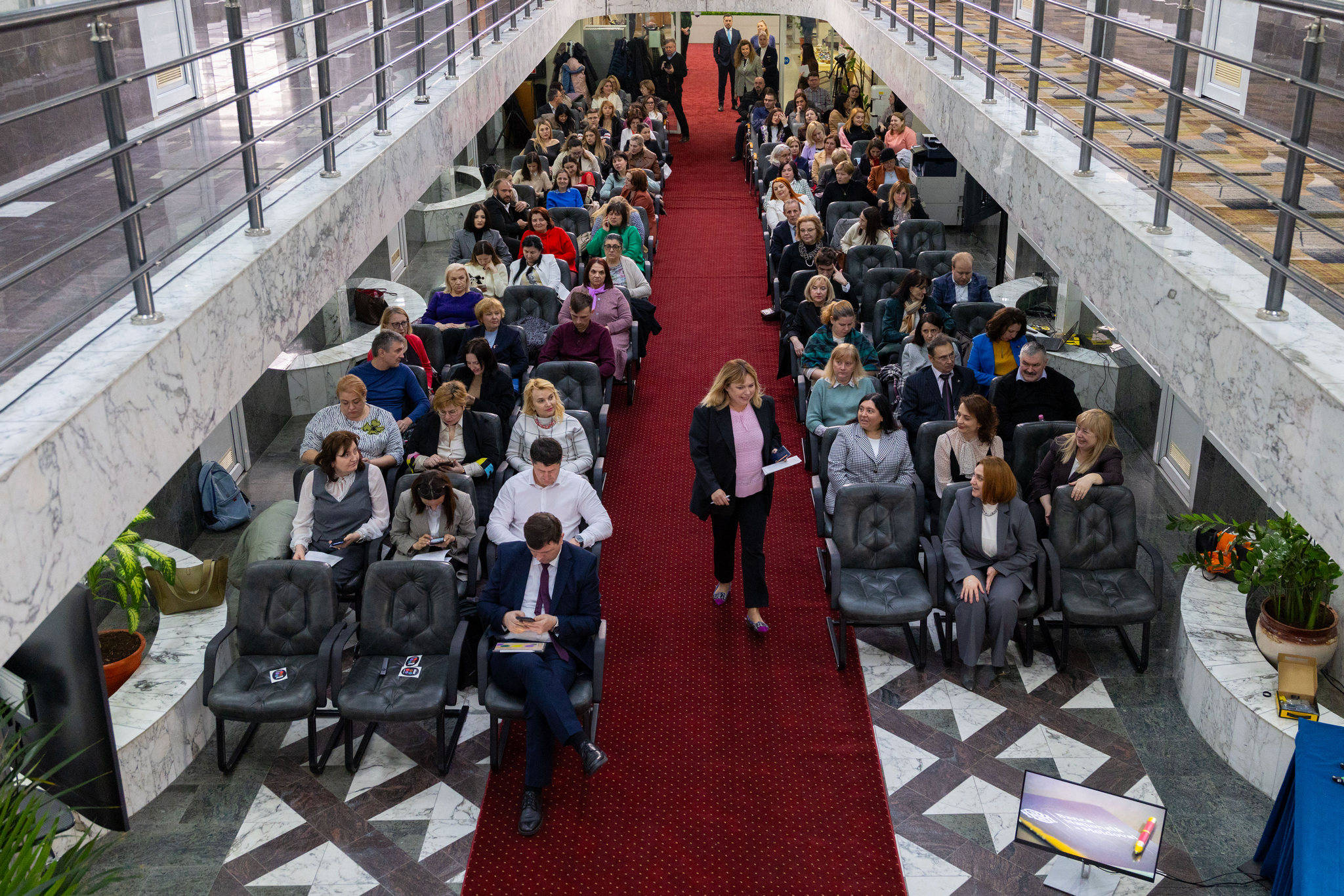
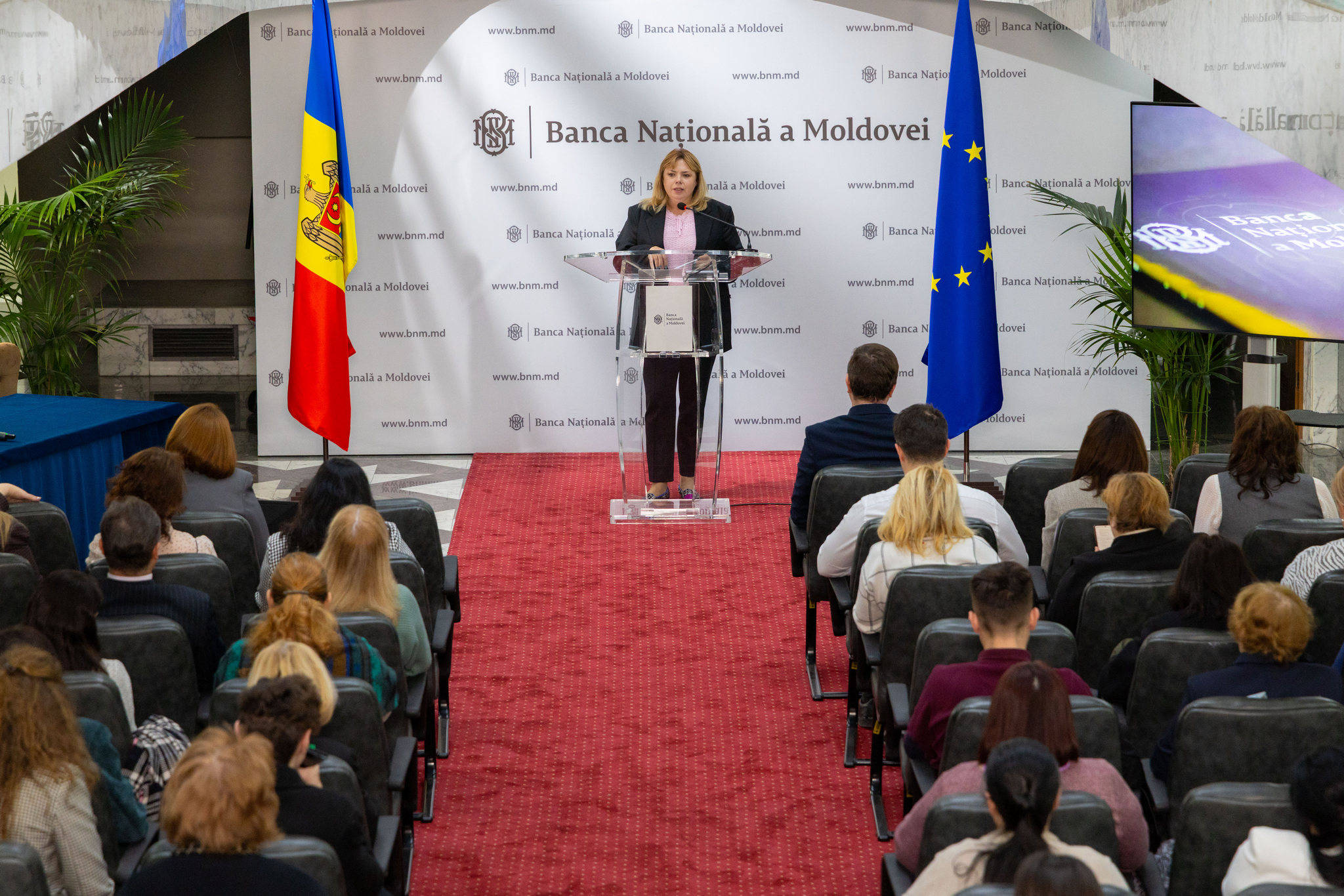
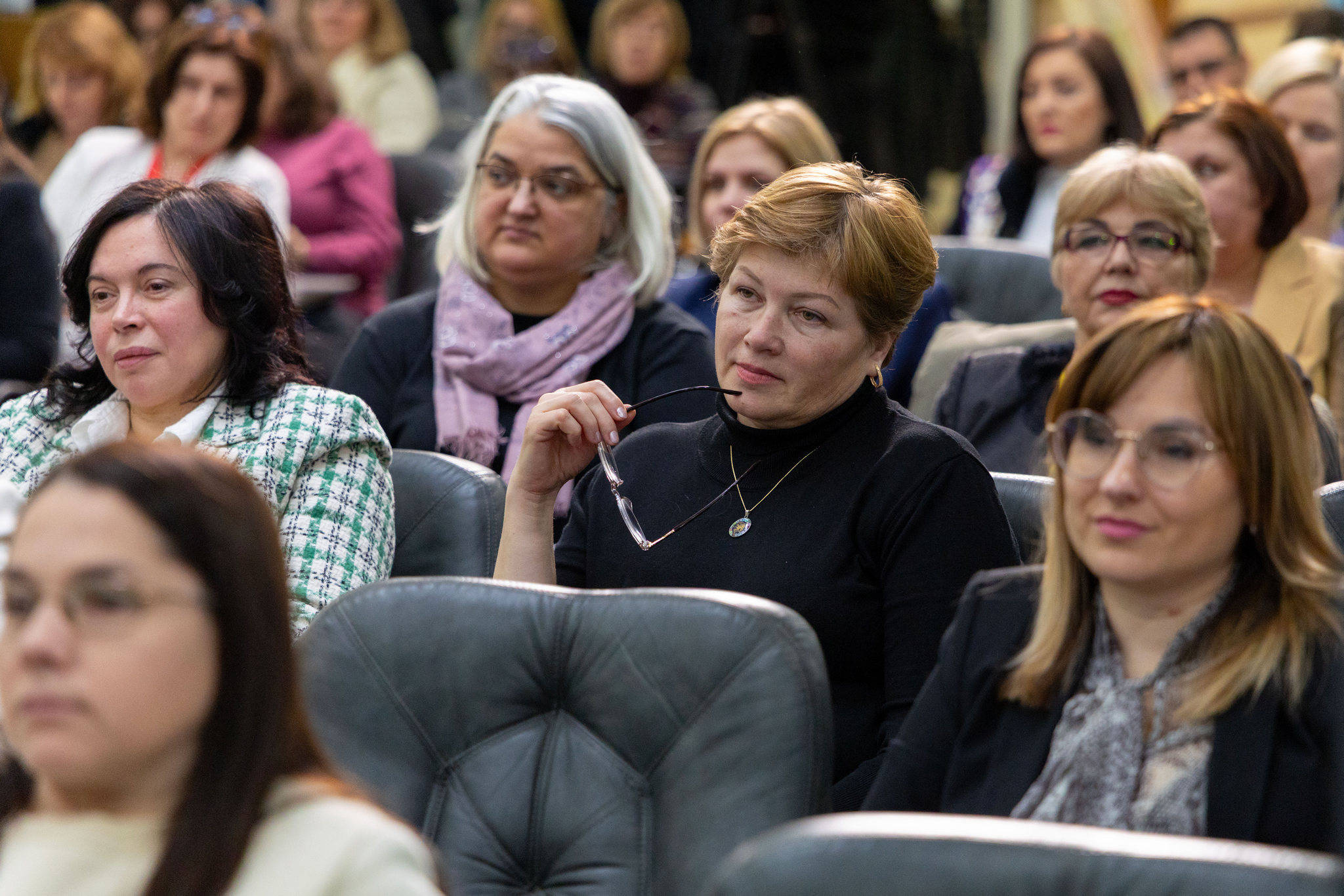
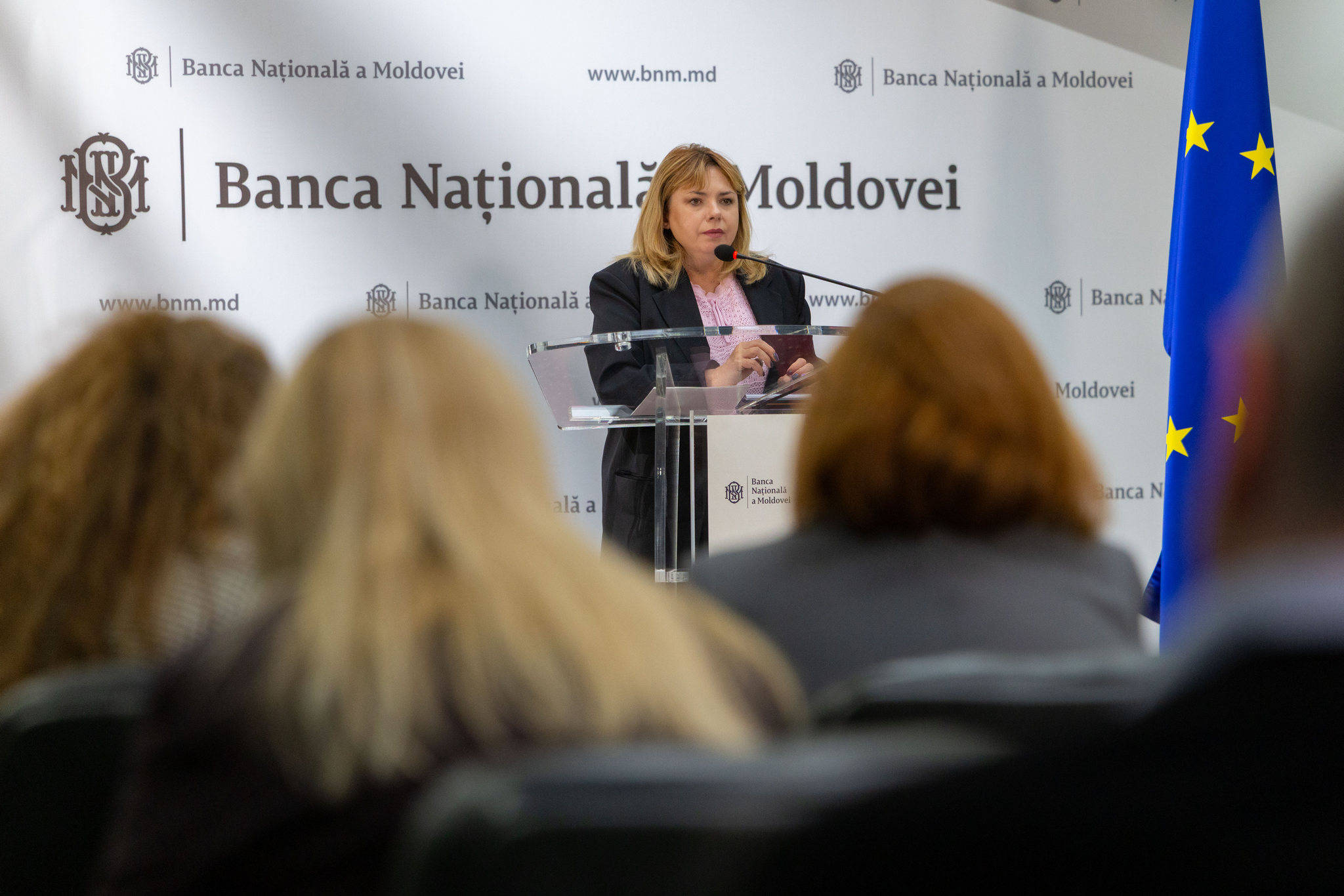
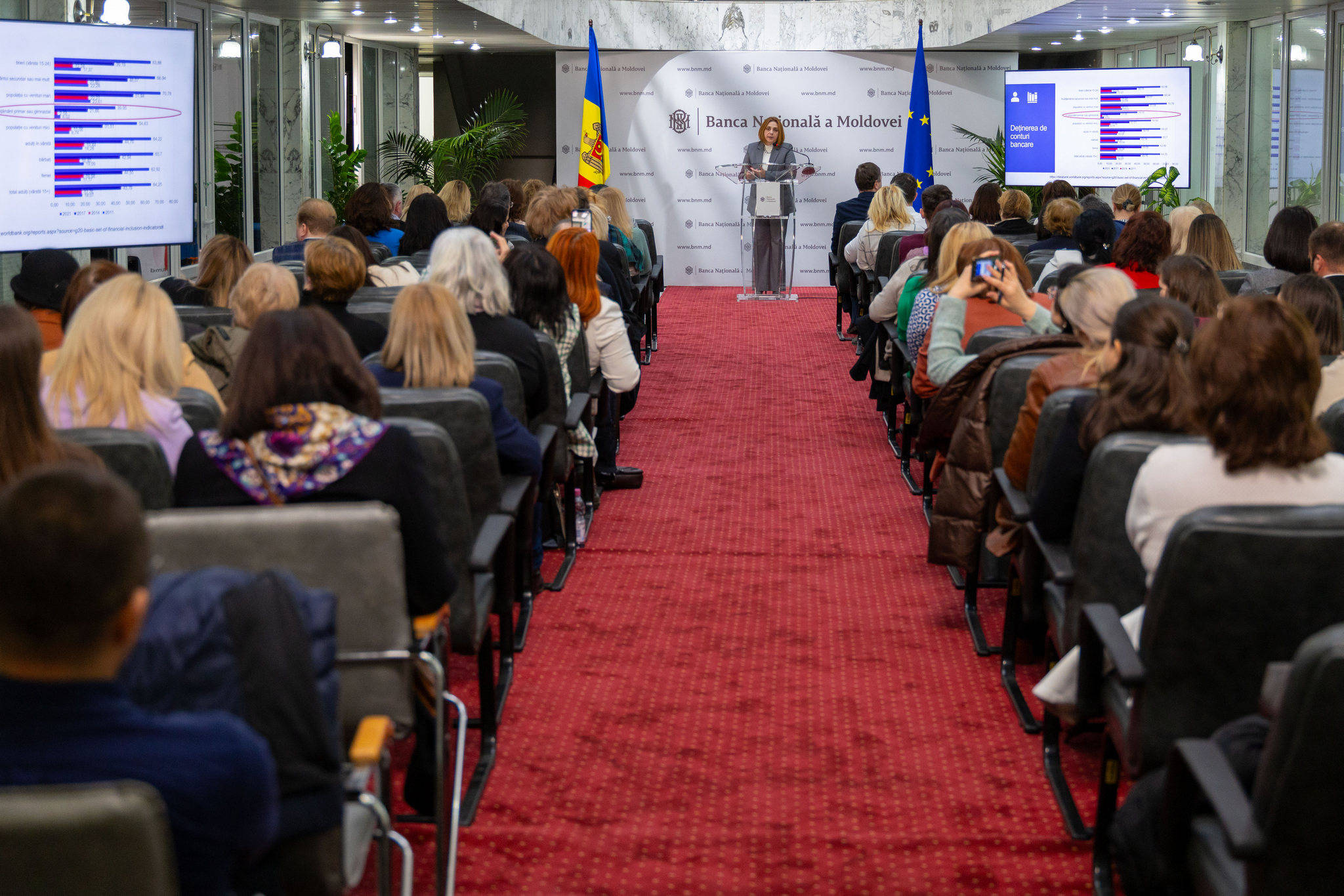
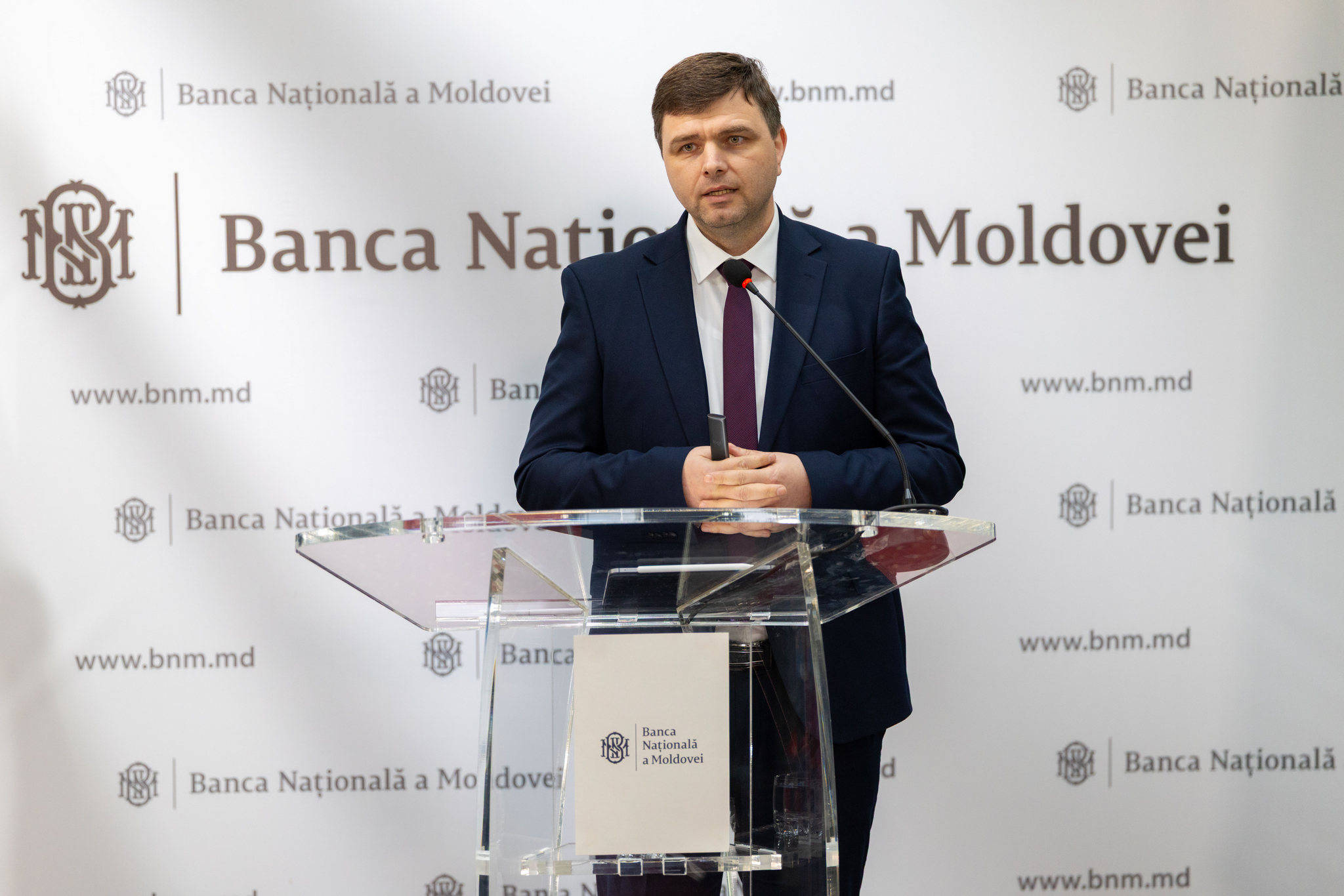
Guvernatoarea Băncii Naționale a Moldovei, Anca Dragu s-a întâlnit cu profesorii de la instituțiile de învățământ cu profil economic pentru a discuta despre aderarea Republicii Moldova la Zona Unică de Plăți în Euro (SEPA), sistemul dedicat transferurilor bancare transfrontaliere în euro și avantajele aderării pentru cetățeni și economie.
„Astăzi, discutăm despre un sistem de plăți care va schimba viitorul economic al țării”, a menționat Anca Dragu. „Integrarea Republicii Moldova într-un sistem unificat de plăți în euro va aduce beneficii economice semnificative la toate nivelurile, facilitând tranzacțiile financiare dintre Moldova și alte state europene. Aderarea la SEPA va facilita reducerea costurilor pentru plățile transfrontaliere, va înlesni accesul la instrumente financiare moderne și va reprezenta un impuls important pentru dezvoltarea economiei naționale”, a remarcat guvernatoarea BNM.
Anca Dragu a subliniat, de asemenea, rolul cadrelor didactice în formarea unei viziuni clare și aprofundate în rândul studenților asupra implicațiilor aderării țării noastre la SEPA și însemnătatea angajamentului pe care și-l asumă profesorii zi de zi în transmiterea către viitorii specialiști a cunoștințelor economice.
Evenimentul a avut un caracter interactiv, cuprinzând discuții consistente și schimburi de idei referitoare la oportunitățile pe care le aduce aderarea Republicii Moldova la SEPA, acțiunile întreprinse și pașii următori. În acest context, discuțiile au pus în evidență responsabilitatea cadrelor didactice cu profil economic de a oferi studenților o înțelegere mai complexă a proceselor economice și financiare internaționale.
Reprezentanții Academiei de Studii Economice din Moldova, ai Universității de Stat din Moldova au avut ocazia să adreseze mesaje și întrebări participanților, menționând importanța unui curriculum educativ, adaptat la realitățile economice internaționale și la nevoile actuale ale piețelor financiare.
Astfel, prorectorul Academiei de Studii Economice din Moldova, Victoria Cociug, a constatat: „Este momentul să regândim rolul școlii și al universității în formarea cetățeanului responsabil. Curricula trebuie adaptată la noile realități economice: digitalizare, inovație financiară, sustenabilitate. Educația financiară trebuie introdusă nu doar ca disciplină opțională, ci ca parte integrantă a formării tinerilor și adulților. Propunem o abordare integrată – în parteneriat cu BNM, instituțiile financiare, cu sectorul public și mediul academic – pentru a dezvolta competențe reale, utile și aplicabile.”
La rândul său, decanul Facultății de Științe Economice a Universității de Stat din Moldova, Maria Hămuraru, a punctat: „Modernizarea conținuturilor curriculare prin integrarea temelor actuale, precum infrastructura sistemelor moderne de plăți, digital banking și reglementările SEPA, reflectă angajamentul nostru de a oferi studenților o pregătire relevantă și adaptată cerințelor pieței muncii. Prin aceste inițiative, vizăm nu doar creșterea calității formării profesionale, ci și consolidarea culturii financiare în rândul tinerilor – un factor crucial pentru dezvoltarea sustenabilă a economiei naționale.”
În încheiere, guvernatoarea Băncii Naționale, Anca Dragu, a accentuat însemnătatea colaborării dintre autoritățile financiare și instituțiile de învățământ cu profil economic în pregătirea noilor generații de profesioniști care să contribuie la consolidarea unui sistem economic mai eficient și mai bine conectat la piața globală


