Welcome to the official website of the National Bank of Moldova!
×
Do you have good eyesight and want to turn this tool off?



Welcome to the official website of the National Bank of Moldova!
You can choose one of the most popular reports from the list:

National Bank and the members of its decision-making bodies shall be independent in exercising the tasks conferred upon them by law, and shall neither seek nor take instructions from public authorities or from any other authority.
In order to ensure and maintain price stability over the medium term, the National Bank’s aim will be to keep inflation (measured by Consumer Price Index) at the level of 5.0 percent annually with a possible deviation of ± 1.5 percentage points, considered to be optimal for growth and development of Moldova's economy over the medium-term.

Financial stability is achieved by strengthening the resilience of the financial system, limiting the contagion effect and reducing the accumulation of systemic risks, thus contributing to the sustainability of the financial sector and economic growth.
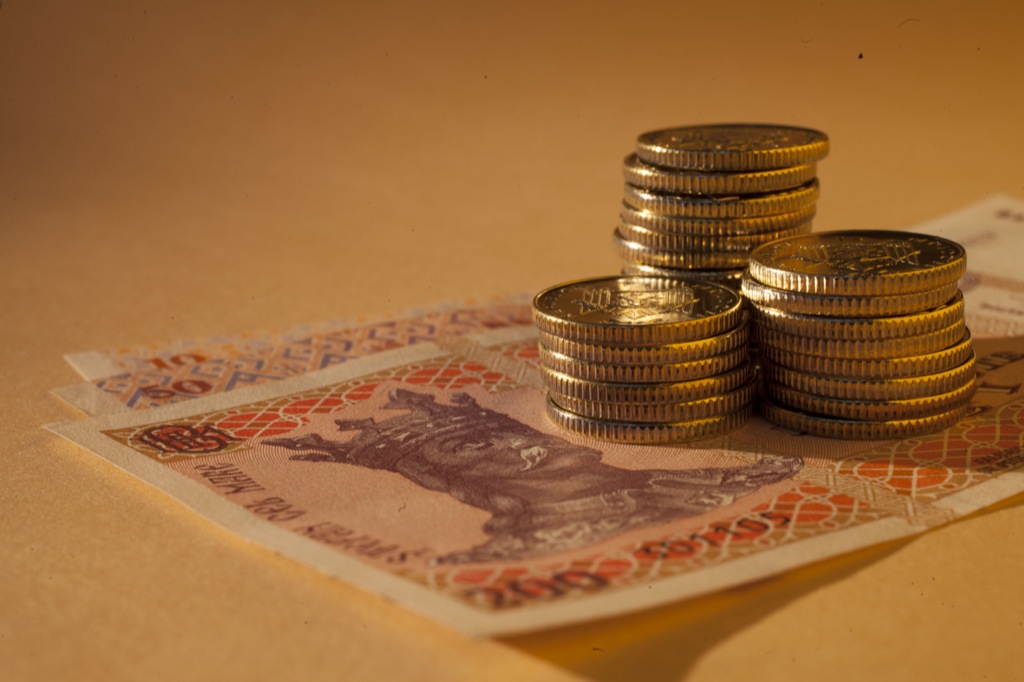
National Bank shall have the exclusive right to issue on the territory of the Republic of Moldova banknotes and coins as legal tender, as well as commemorative and jubilee banknotes and coins as legal tender and for numismatic purposes.

National Bank is exclusively responsible for the licencing, supervision and regulation of financial institutions activity.
National Bank of Moldova acts as banker and fiscal agent of the State and shall receive from state bodies economic and financial information and documents, which are necessary for carrying out its tasks.
National Bank of Moldova is an autonomous public legal entity and is responsible to the Parliament.

National Bank shall inform the public on the monetary policy strategy on the results of the macroeconomic analysis, the evolution of the financial market and on statistics, including with regard to monetary supply, crediting, balance of payments and the state of the foreign exchange market.

National Bank of Moldova is responsable for the compilation of the balance of payments, international investment position and the statistics of the external debt of the Republic of Moldova.
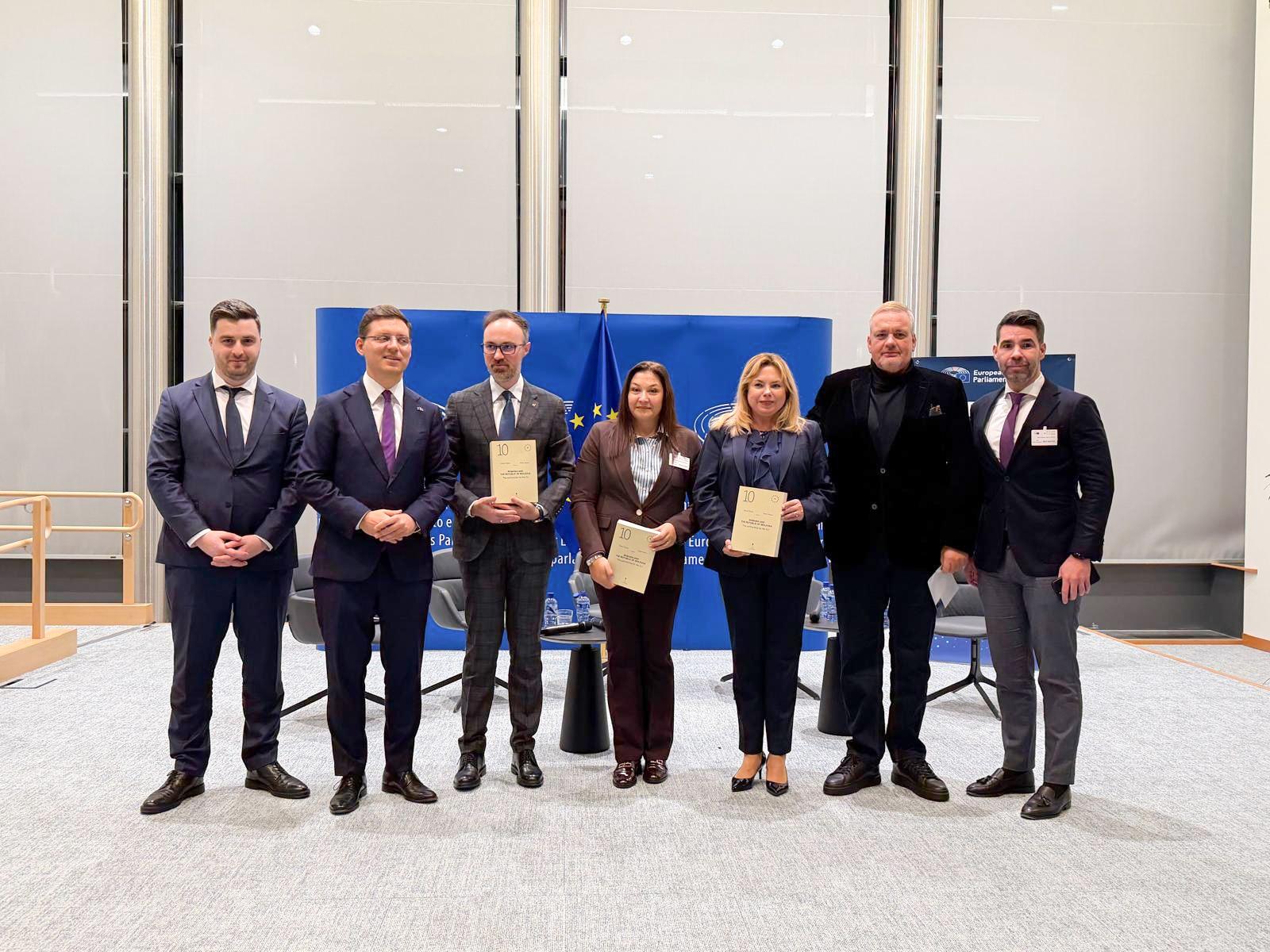
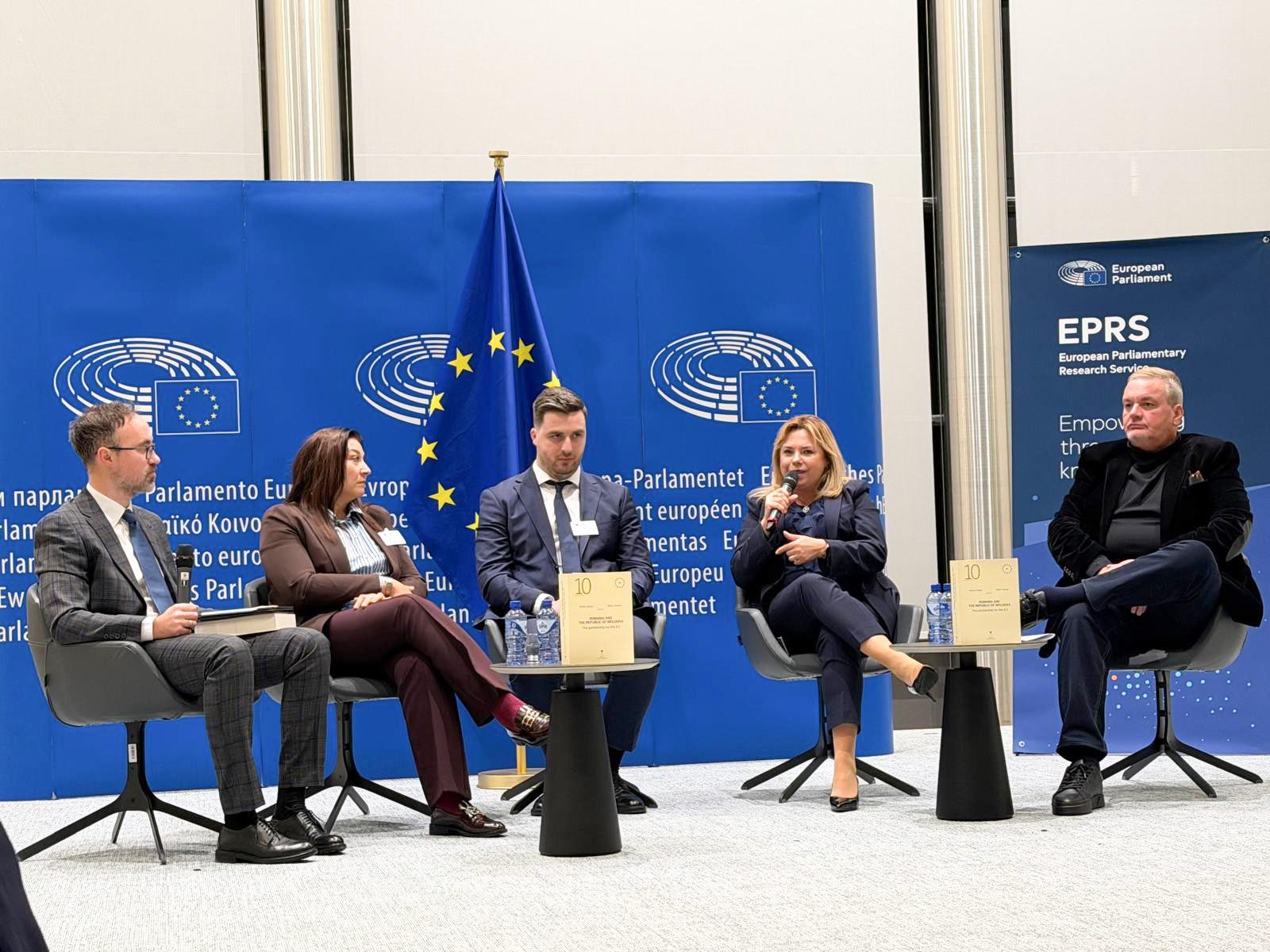
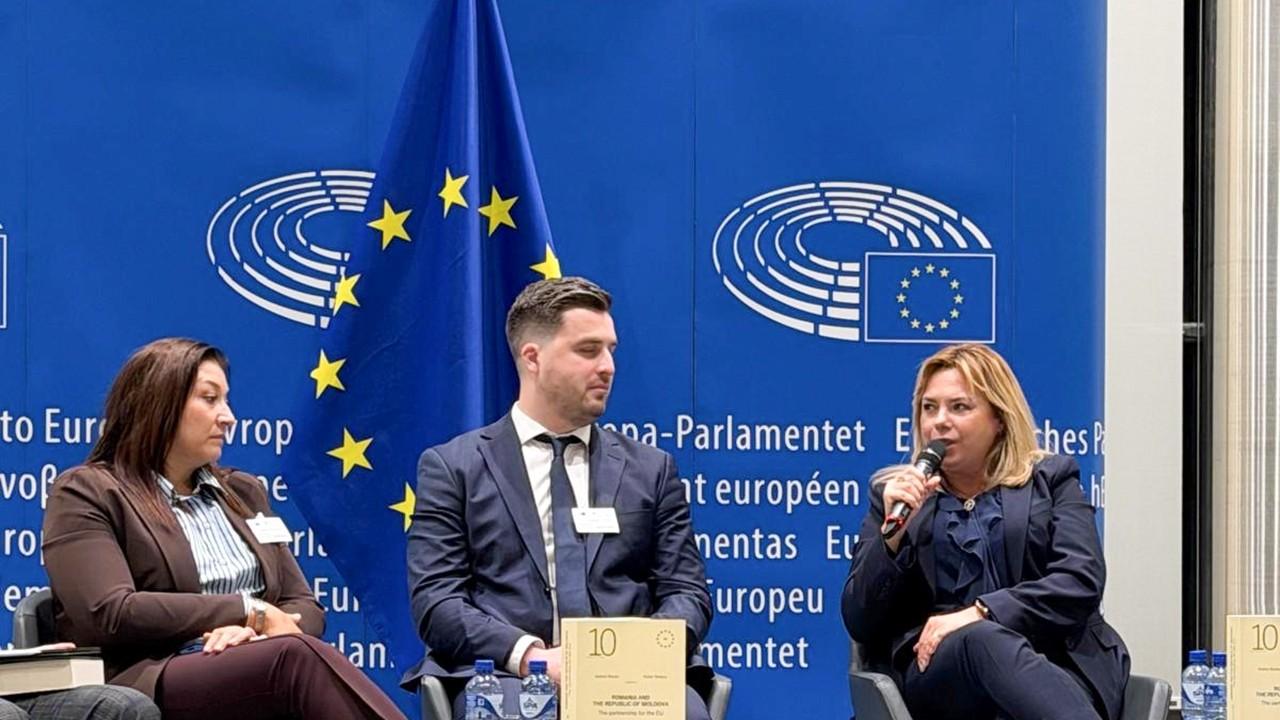
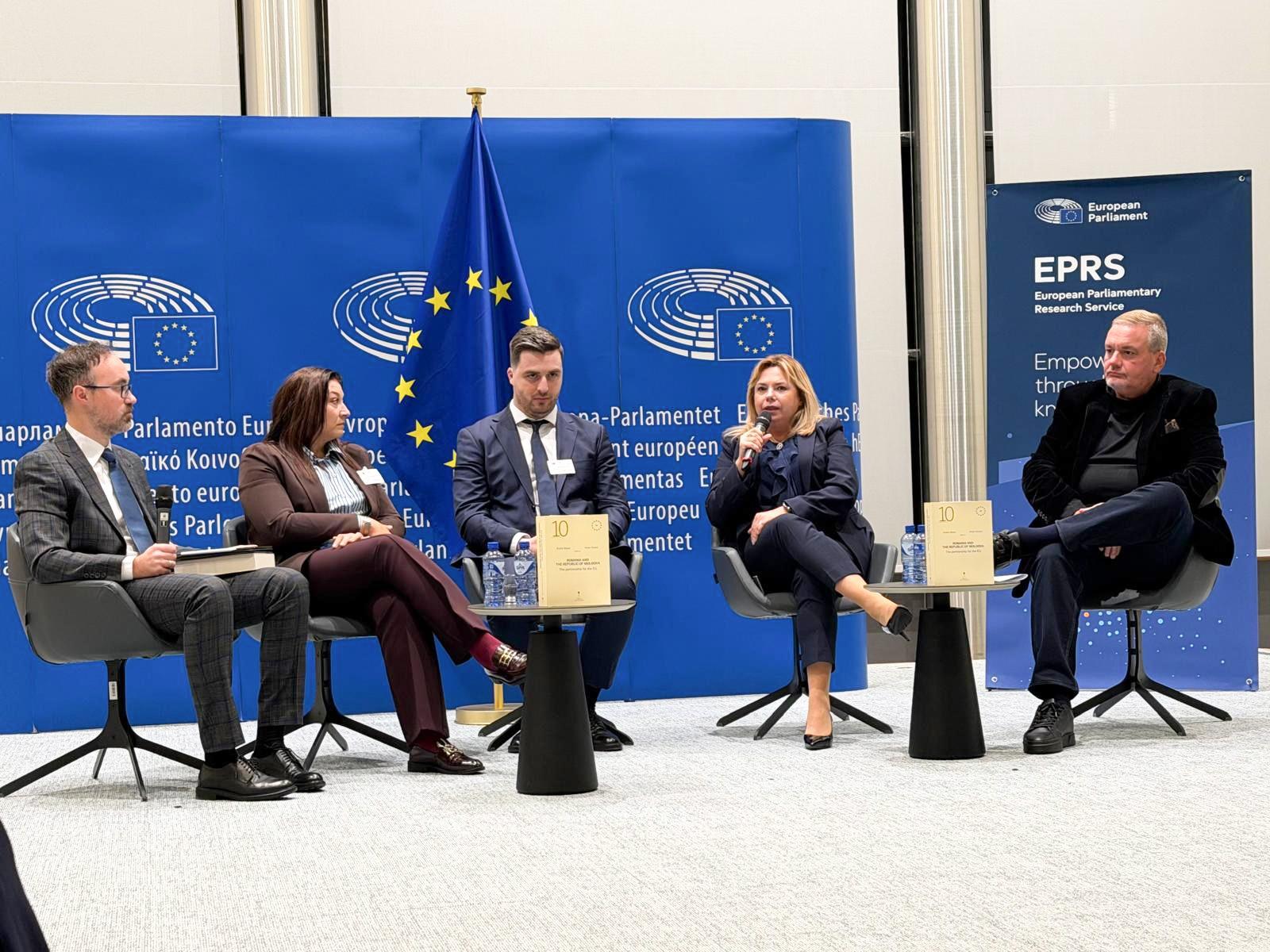
Today, 16 November 2026, the Governor of the National Bank of Moldova (NBM) Ms Anca Dragu, alongside other high-level officials, took part in the meeting entitled “The Republic of Moldova and the European Union: A Shared Heritage, a Common Future”, hosted at the European Parliament Library in Brussels. The meeting discussed the Republic of Moldova’s path to accession, with a focus on cultural dialogue, democratic resilience and cooperation with Romania.
During the debate on the Republic of Moldova’s accession process to the European Union, organised by Mr Victor Negrescu, Vice-President of the European Legislative Forum, based on the book "Romania and the Republic of Moldova: The Partnership for the EU", Ms Anca Dragu spoke about the reforms that are bringing our country closer to European standards and about the opportunities this process opens up for investors. The NBM Governor contributed to this volume with an article on the transformation of the financial and banking sector.
The Governor of the central bank emphasised that, for the Republic of Moldova, European integration is a strategic priority, and that alignment with the European Union’s acquis is progressing at a steady pace, with tangible results. This is confirmed by the European Commission’s Annual Report on the Republic of Moldova for 2026.
In the financial sector, this progress is reflected both in facilitating citizens' and businesses’ access to faster and more affordable payment services, and in bringing the regulatory and banking supervisory framework closer to European standards.
“The Republic of Moldova is an emerging European economy with growth potential and solid foundations for long-term investment. We have banks with European capital and a financial regulatory framework that we are aligning with European Union standards, whilst the stable outlook for the sovereign rating underpins investor confidence. As we progress through the accession process, the rules are becoming more predictable and links with the European market are strengthening. Investors who choose the Republic of Moldova at this stage can establish a local presence and expand their operations as our economy integrates into the European single market,” said Governor Anca Dragu.
Among the results presented by the Governor are those achieved in the first year following the Republic of Moldova’s operational connection to the Single Euro Payments Area (SEPA). During this period, citizens and businesses carried out approximately 1.2 million transfers, with estimated savings of EUR 16.4 million resulting from reduced fees. The average cost of a transfer has fallen to around EUR 1.
The Governor also outlined the progress of the MIA Instant Payments system, developed by the NBM. It has reached nearly 1.1 million users and processed over 38.8 million transactions, totalling approximately MDL 36 billion. MIA services have also been extended to businesses, including through business-to-business payments and QR codes.
With regard to banking supervision, Ms Anca Dragu highlighted the cooperation with the European Banking Authority as part of the ongoing assessment of the equivalence of the Republic of Moldova’s regulatory and prudential supervisory framework with that of the European Union. Referring to the partnership with Romania, the Governor commended the contribution of the National Bank of Romania to strengthening the institutional capacity of the NBM and aligning its practices with European standards. An example of economic cooperation is the Moldova International Stock Exchange, established in Chișinău with the participation of the Bucharest Stock Exchange as a strategic shareholder.
The book "Romania and the Republic of Moldova: The Partnership for the EU", published by Editura Club România and edited by Andrei Stoian and Victor Vevera, analyses the Republic of Moldova’s path to accession to the European Union and Romania’s role in this process, ranging from institutional cooperation and economic development to energy and digital interconnectivity.


