Welcome to the official website of the National Bank of Moldova!
×
Do you have good eyesight and want to turn this tool off?



Welcome to the official website of the National Bank of Moldova!
You can choose one of the most popular reports from the list:
National Bank and the members of its decision-making bodies shall be independent in exercising the tasks conferred upon them by law, and shall neither seek nor take instructions from public authorities or from any other authority.
In order to ensure and maintain price stability over the medium term, the National Bank’s aim will be to keep inflation (measured by Consumer Price Index) at the level of 5.0 percent annually with a possible deviation of ± 1.5 percentage points, considered to be optimal for growth and development of Moldova's economy over the medium-term.

Financial stability is achieved by strengthening the resilience of the financial system, limiting the contagion effect and reducing the accumulation of systemic risks, thus contributing to the sustainability of the financial sector and economic growth.
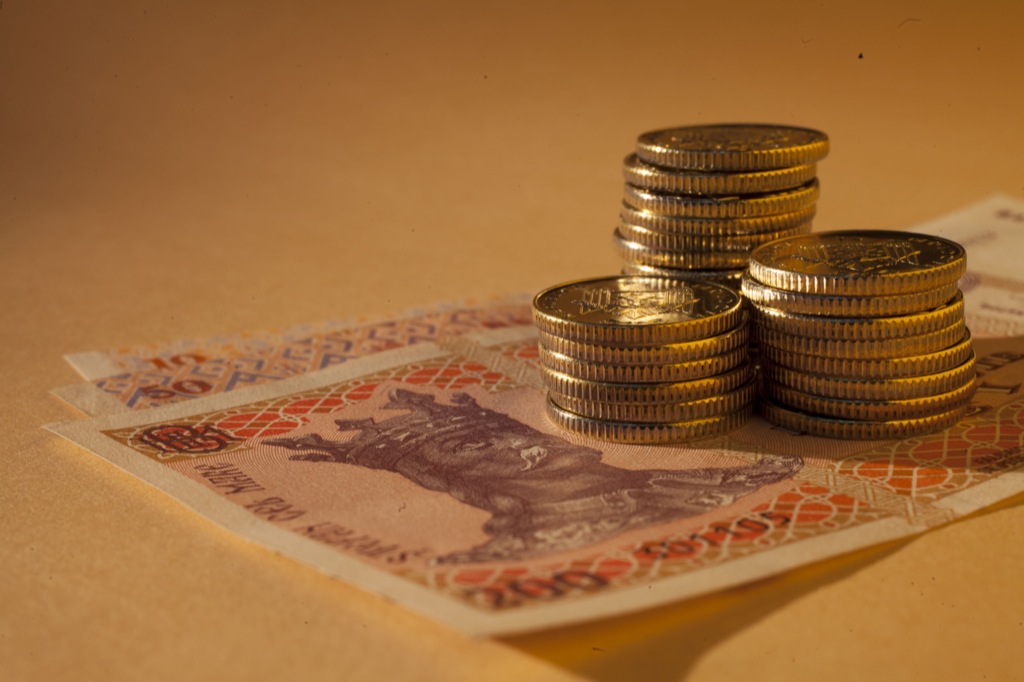
National Bank shall have the exclusive right to issue on the territory of the Republic of Moldova banknotes and coins as legal tender, as well as commemorative and jubilee banknotes and coins as legal tender and for numismatic purposes.

National Bank is exclusively responsible for the licencing, supervision and regulation of financial institutions activity.
National Bank of Moldova acts as banker and fiscal agent of the State and shall receive from state bodies economic and financial information and documents, which are necessary for carrying out its tasks.
National Bank of Moldova is an autonomous public legal entity and is responsible to the Parliament.

National Bank shall inform the public on the monetary policy strategy on the results of the macroeconomic analysis, the evolution of the financial market and on statistics, including with regard to monetary supply, crediting, balance of payments and the state of the foreign exchange market.

National Bank of Moldova is responsable for the compilation of the balance of payments, international investment position and the statistics of the external debt of the Republic of Moldova.
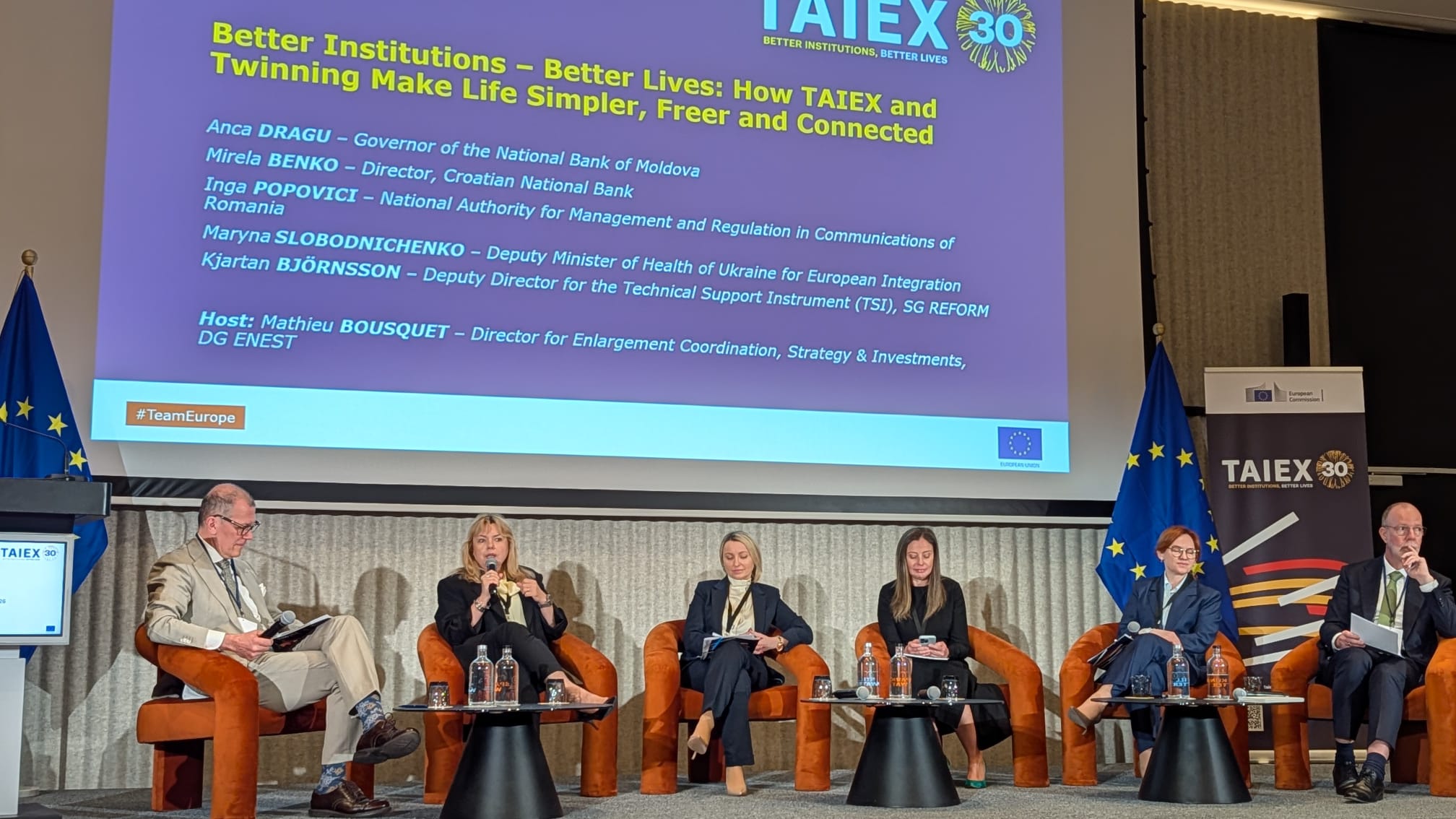
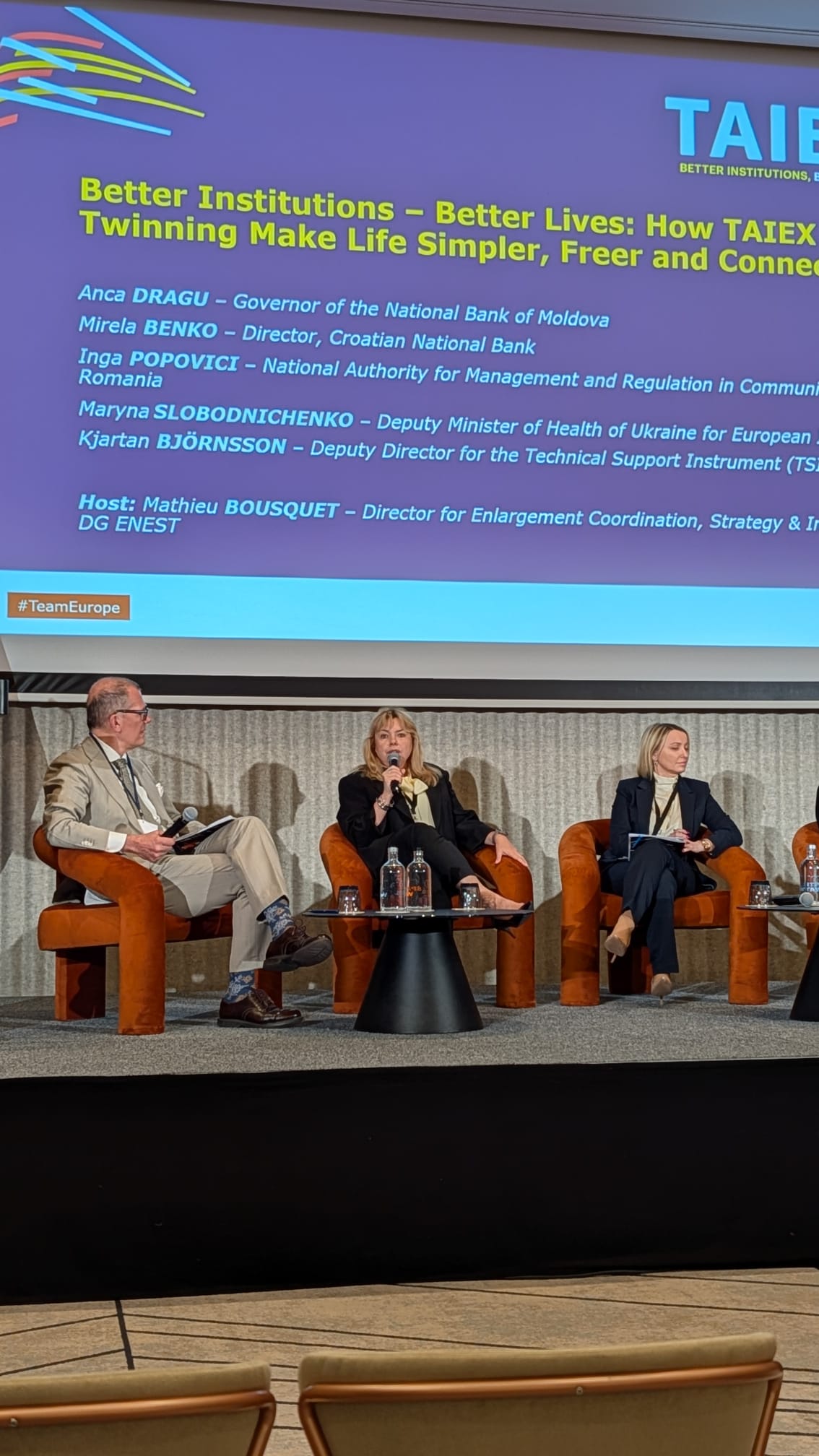
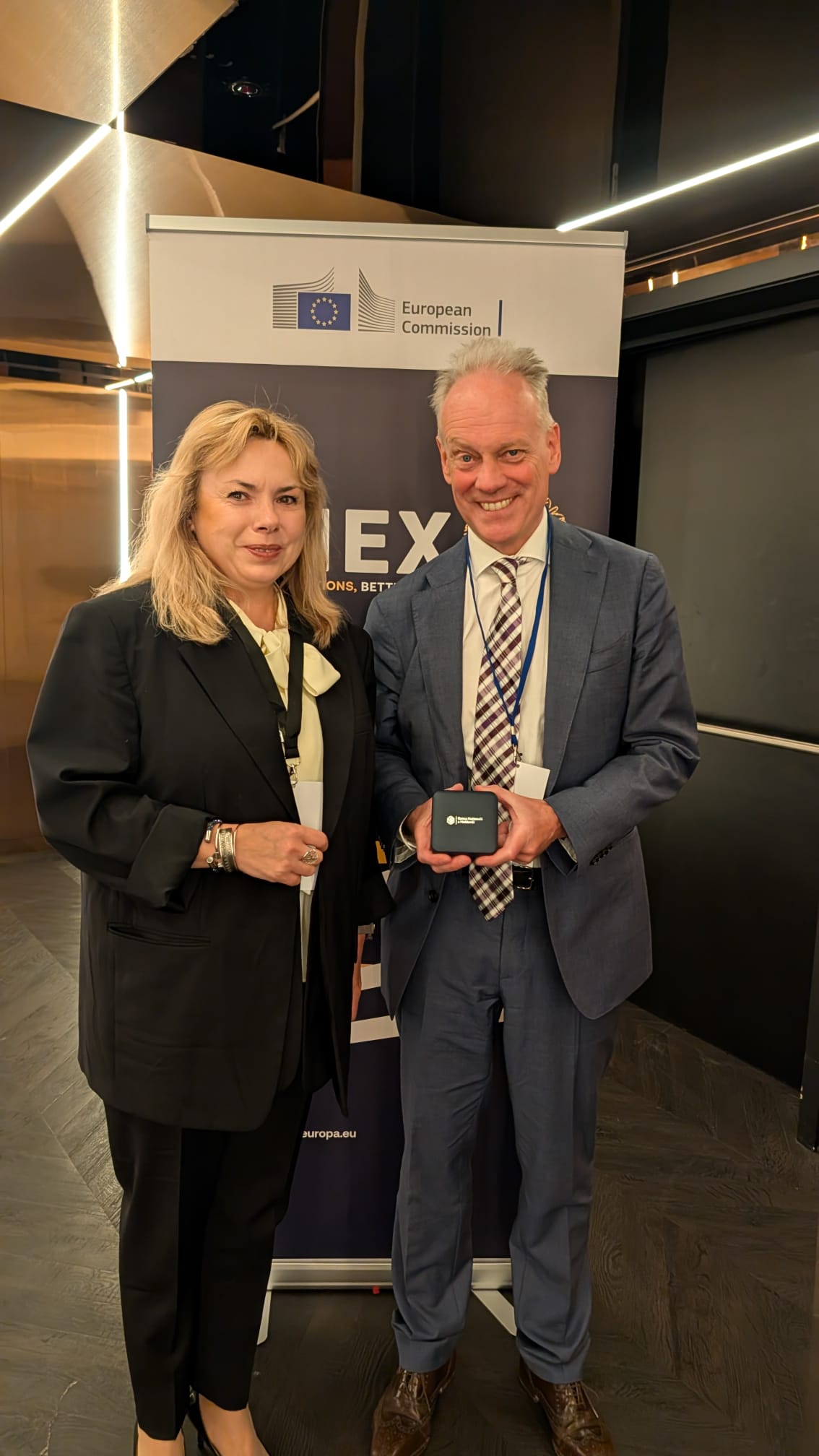
The Governor of the National Bank of Moldova, Ms Anca Dragu, participated in the "Institution Building Days 2026" event in Brussels, organised by the European Commission, which brought together representatives from public institutions, experts, and partners from EU member states and partner countries.
The event marks the 30th anniversary of the launch of the TAIEX instrument and serves as an important platform for dialogue on strengthening institutions, supporting reforms, and advancing the European integration process.
Alongside high-ranking officials from the European Union and candidate and partner countries, the NBM Governor took part as a speaker in the session titled "Better Institutions - Better Lives: How TAIEX and Twinning Make Life Simpler, Freer and Connected."
In her intervention, Ms Anca Dragu presented the progress of the Republic of Moldova in aligning with European standards, emphasising the role of institutional reforms in modernising the financial sector and bringing it closer to the European market.
A particular focus was placed on the integration of the Republic of Moldova into the Single Euro Payments Area (SEPA), which has generated concrete benefits for citizens and the business environment, including a significant reduction in transfer costs and easier access to the European market.
As a result, the cost of international euro transfers has been reduced by over 90%, averaging EUR 1.26, including zero fees, marking a substantial change for users. These advantages have quickly been reflected in market behaviour, with over 70% of cross-border euro transactions now processed through SEPA.
With the operational integration into SEPA (6 October 2025), the total fees paid for transactions amounted to approximately EUR 474,000, resulting in savings of EUR 6.59 million for the Republic of Moldova. At the same time, the high level of usage, reflected in hundreds of thousands of processed transfers, confirms the rapid adoption of this infrastructure and contributes to streamlining external financial flows as well as increasing the competitiveness of Moldovan companies in the European market.
This major achievement was also made possible by the EU's technical assistance tools, which have played an essential role, step by step, in meeting the requirements necessary for alignment with European standards.
"The experience of the Republic of Moldova shows that institutional reforms bring about transformations that are directly reflected in people's lives. Integration into SEPA and alignment with European standards strengthens trust in the financial system and state institutions, offering a predictable and secure framework for citizens and the business environment. At the same time, the development of modern infrastructures, such as the MIA instant payments system, contributes to greater financial inclusion and accelerates the digitalisation of the economy. The National Bank will continue this path of modernisation and European convergence, with the aim of developing a stable, efficient financial system that is fully connected to the European space," stated the NBM Governor.
The contribution of the TAIEX instrument, as well as Twinning projects, to the development of the NBM's institutional capacity and the implementation of European standards was also highlighted. These instruments have facilitated the transfer of expertise, the harmonisation of the regulatory framework, and the strengthening of supervisory functions in the financial sector.
TAIEX (Technical Assistance and Information Exchange) is an EU instrument that provides short-term technical assistance for the transfer of expertise and best practices, while Twinning programmes support the development of institutional capacities through direct cooperation between institutions from EU member states and beneficiary countries.
Detailed information about technical assistance provided by the European Union: https://www.bnm.md/en/content/technical-assistance-provided-european-union


