Welcome to the official website of the National Bank of Moldova!
×
Do you have good eyesight and want to turn this tool off?



Welcome to the official website of the National Bank of Moldova!
You can choose one of the most popular reports from the list:
National Bank and the members of its decision-making bodies shall be independent in exercising the tasks conferred upon them by law, and shall neither seek nor take instructions from public authorities or from any other authority.
In order to ensure and maintain price stability over the medium term, the National Bank’s aim will be to keep inflation (measured by Consumer Price Index) at the level of 5.0 percent annually with a possible deviation of ± 1.5 percentage points, considered to be optimal for growth and development of Moldova's economy over the medium-term.

Financial stability is achieved by strengthening the resilience of the financial system, limiting the contagion effect and reducing the accumulation of systemic risks, thus contributing to the sustainability of the financial sector and economic growth.
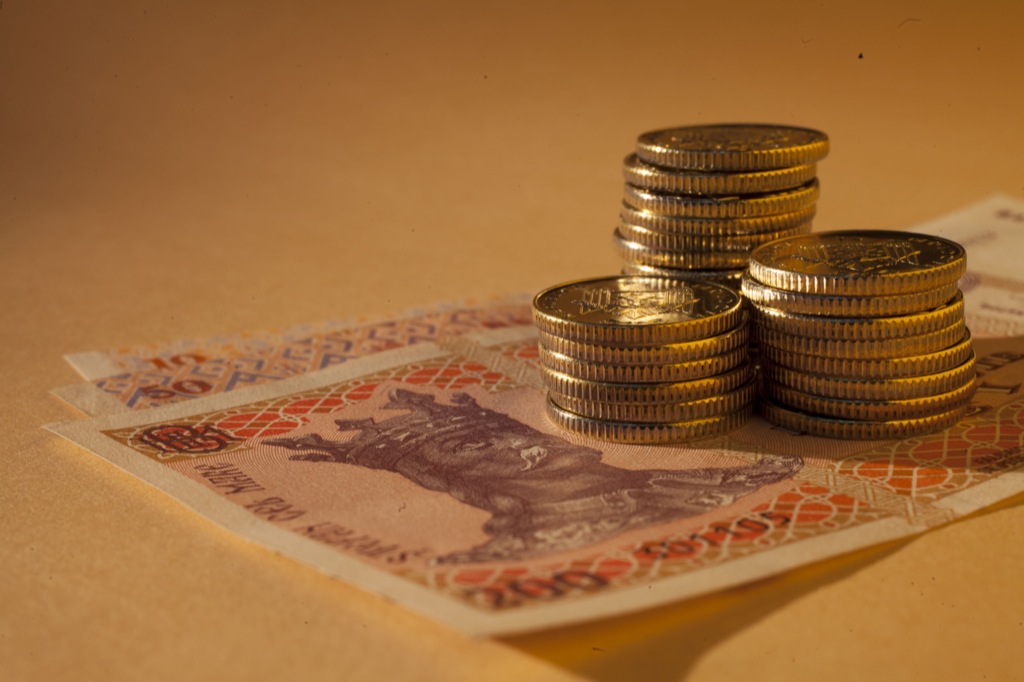
National Bank shall have the exclusive right to issue on the territory of the Republic of Moldova banknotes and coins as legal tender, as well as commemorative and jubilee banknotes and coins as legal tender and for numismatic purposes.

National Bank is exclusively responsible for the licencing, supervision and regulation of financial institutions activity.
National Bank of Moldova acts as banker and fiscal agent of the State and shall receive from state bodies economic and financial information and documents, which are necessary for carrying out its tasks.
National Bank of Moldova is an autonomous public legal entity and is responsible to the Parliament.

National Bank shall inform the public on the monetary policy strategy on the results of the macroeconomic analysis, the evolution of the financial market and on statistics, including with regard to monetary supply, crediting, balance of payments and the state of the foreign exchange market.
National Bank of Moldova is responsable for the compilation of the balance of payments, international investment position and the statistics of the external debt of the Republic of Moldova.
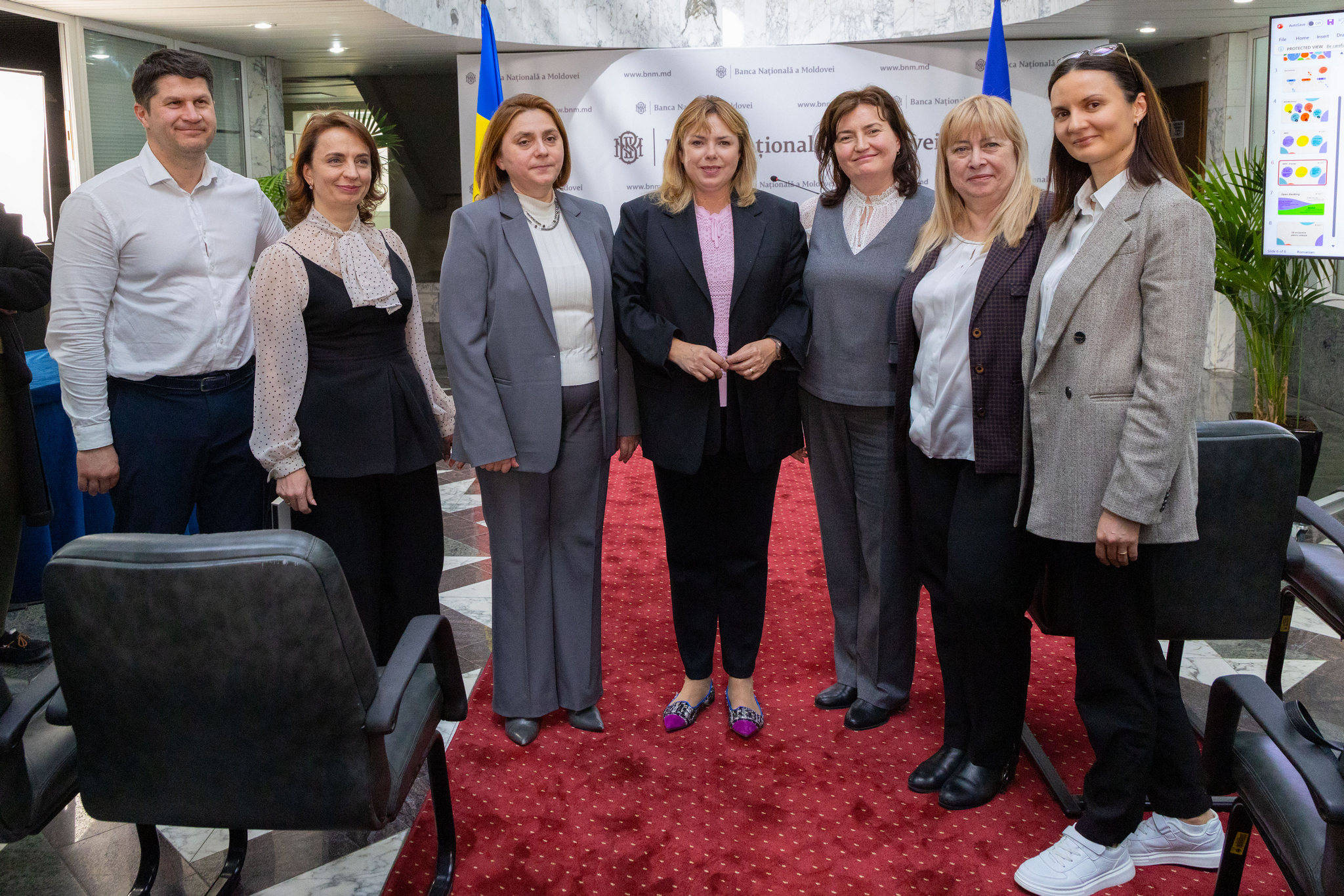
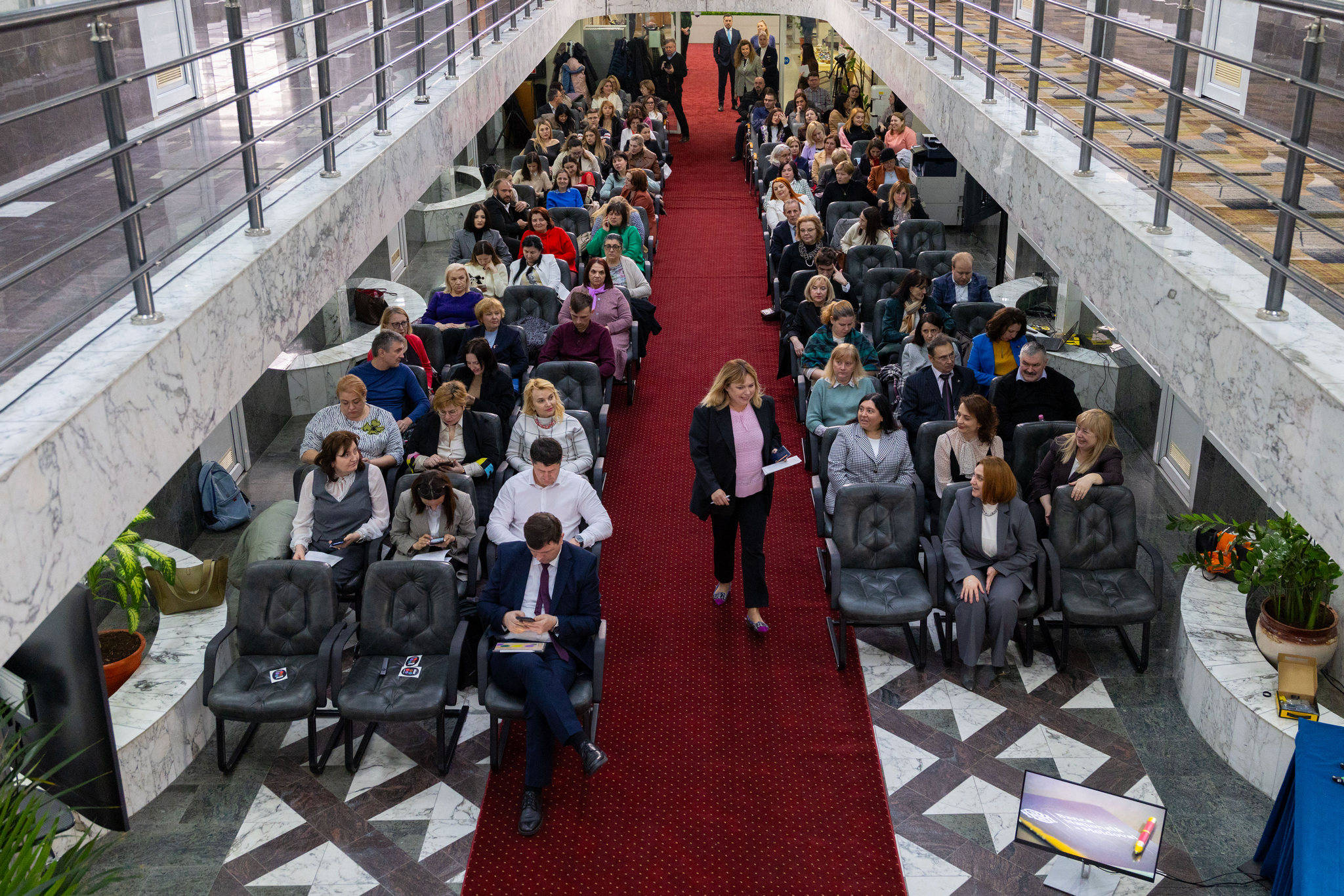
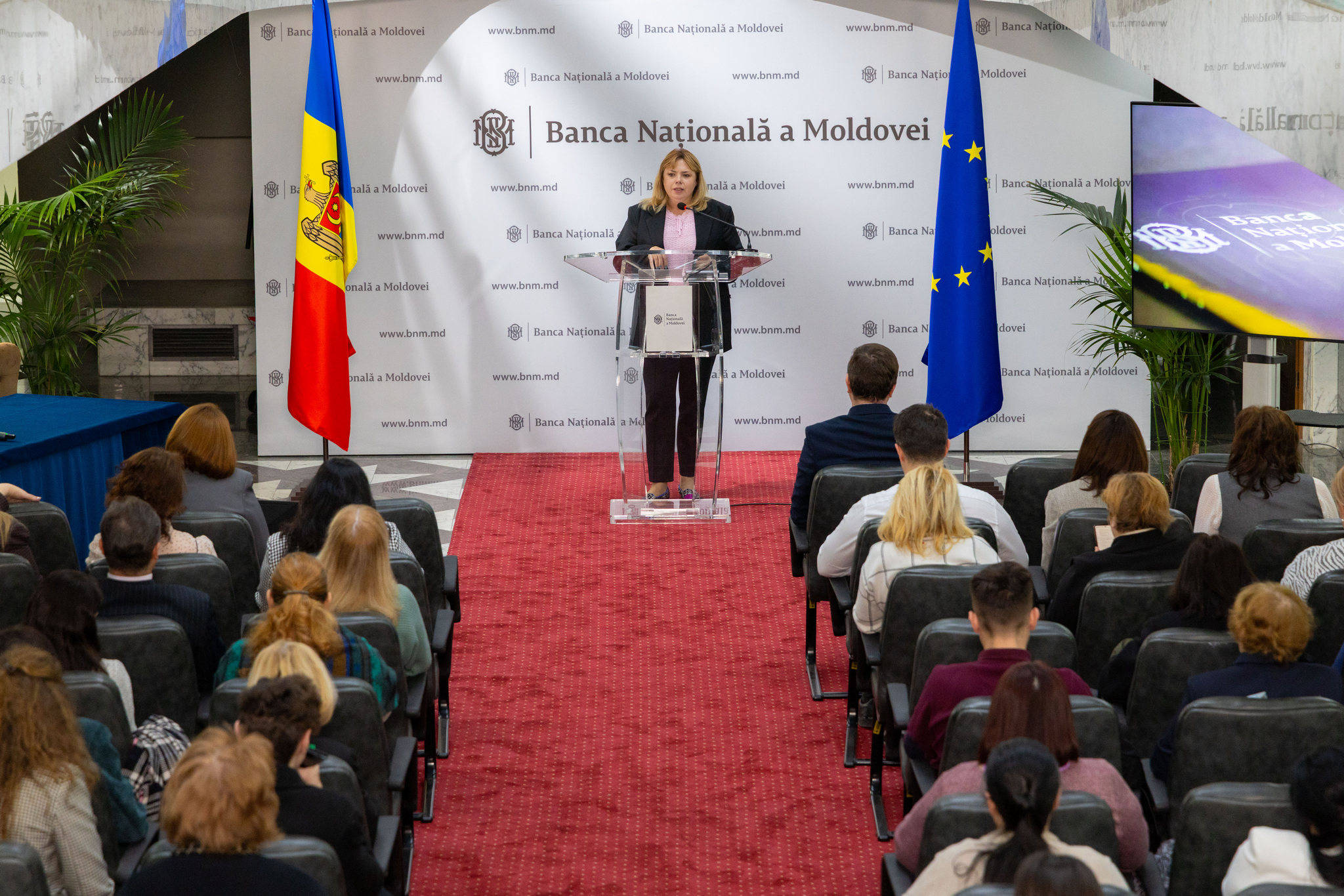
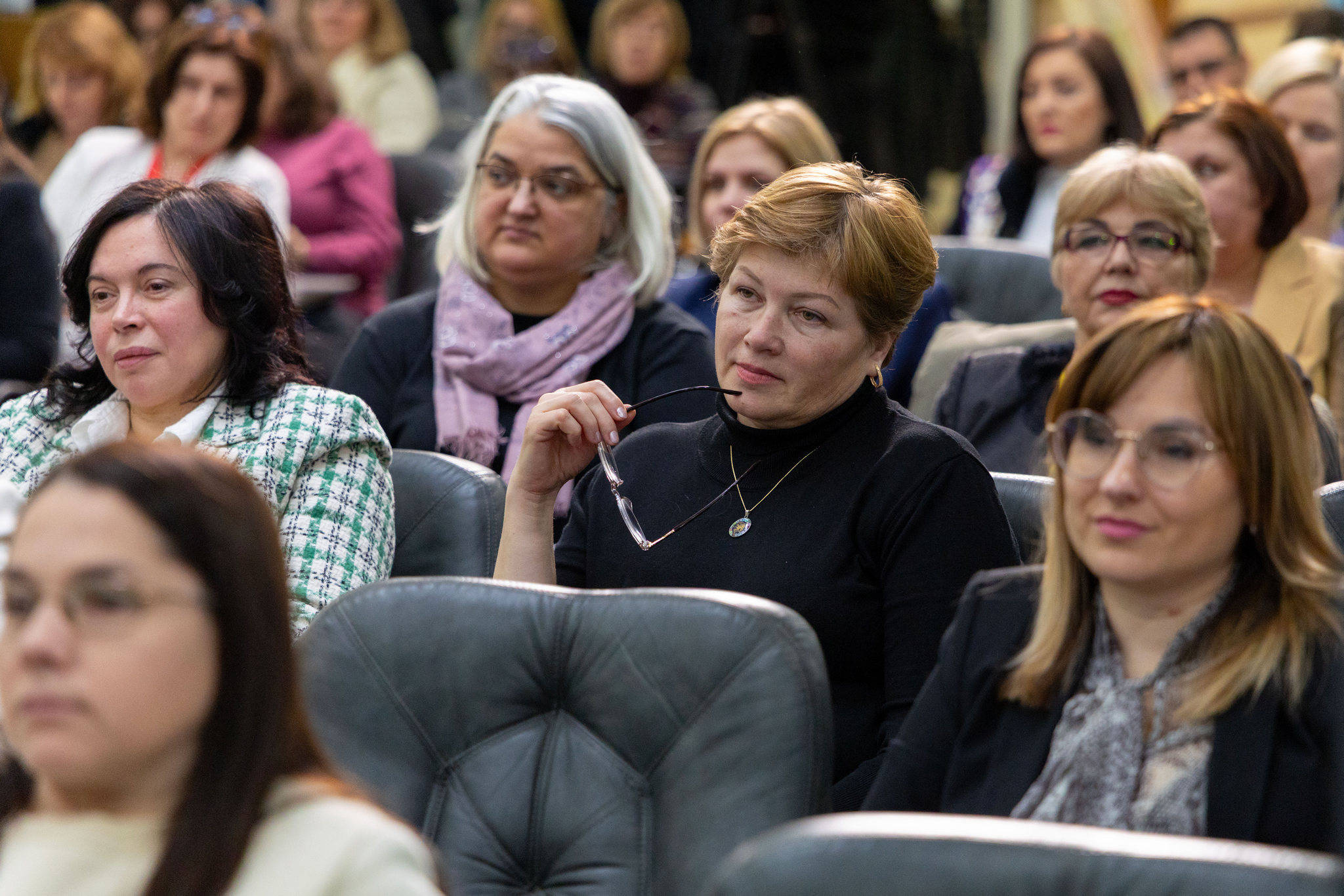
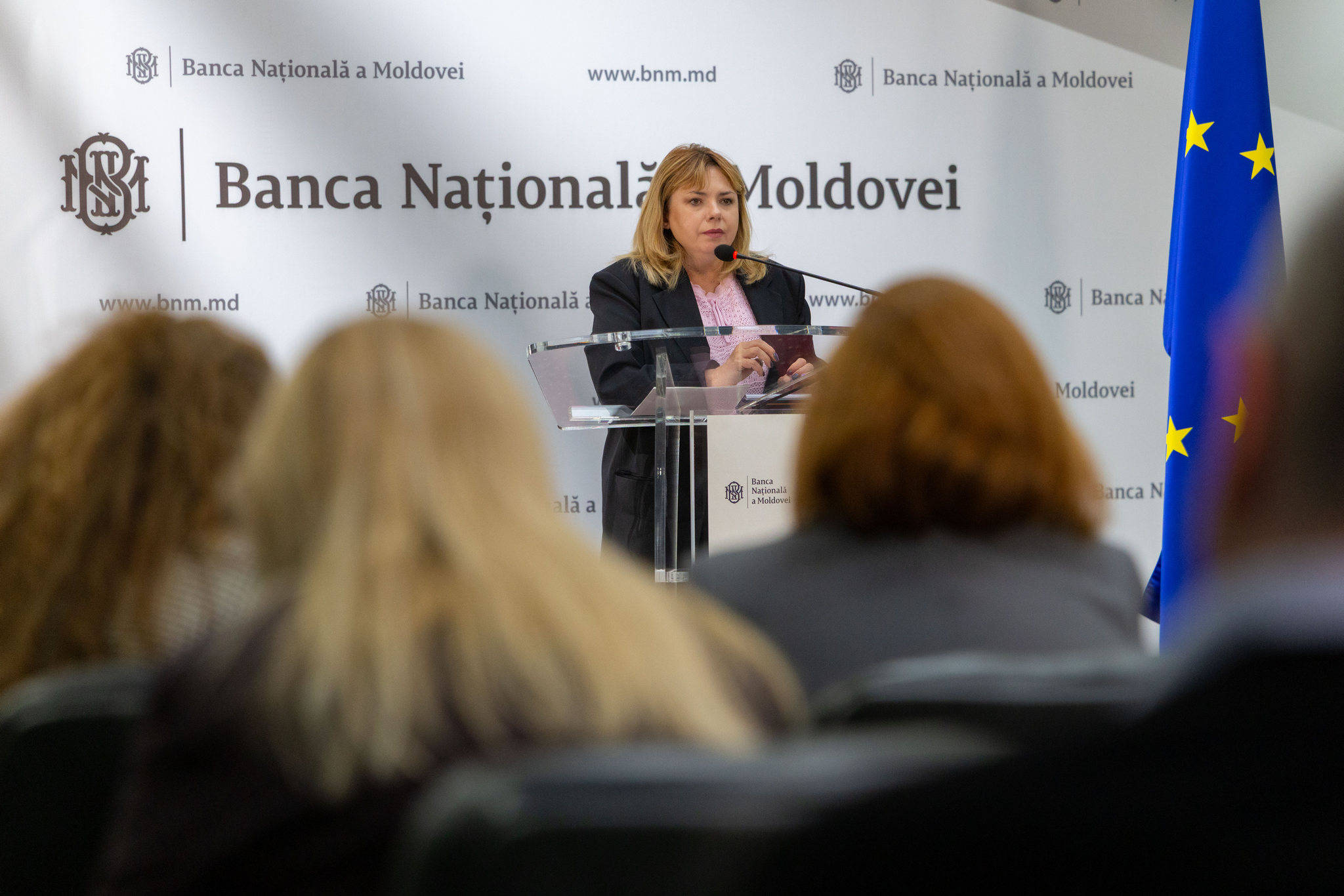
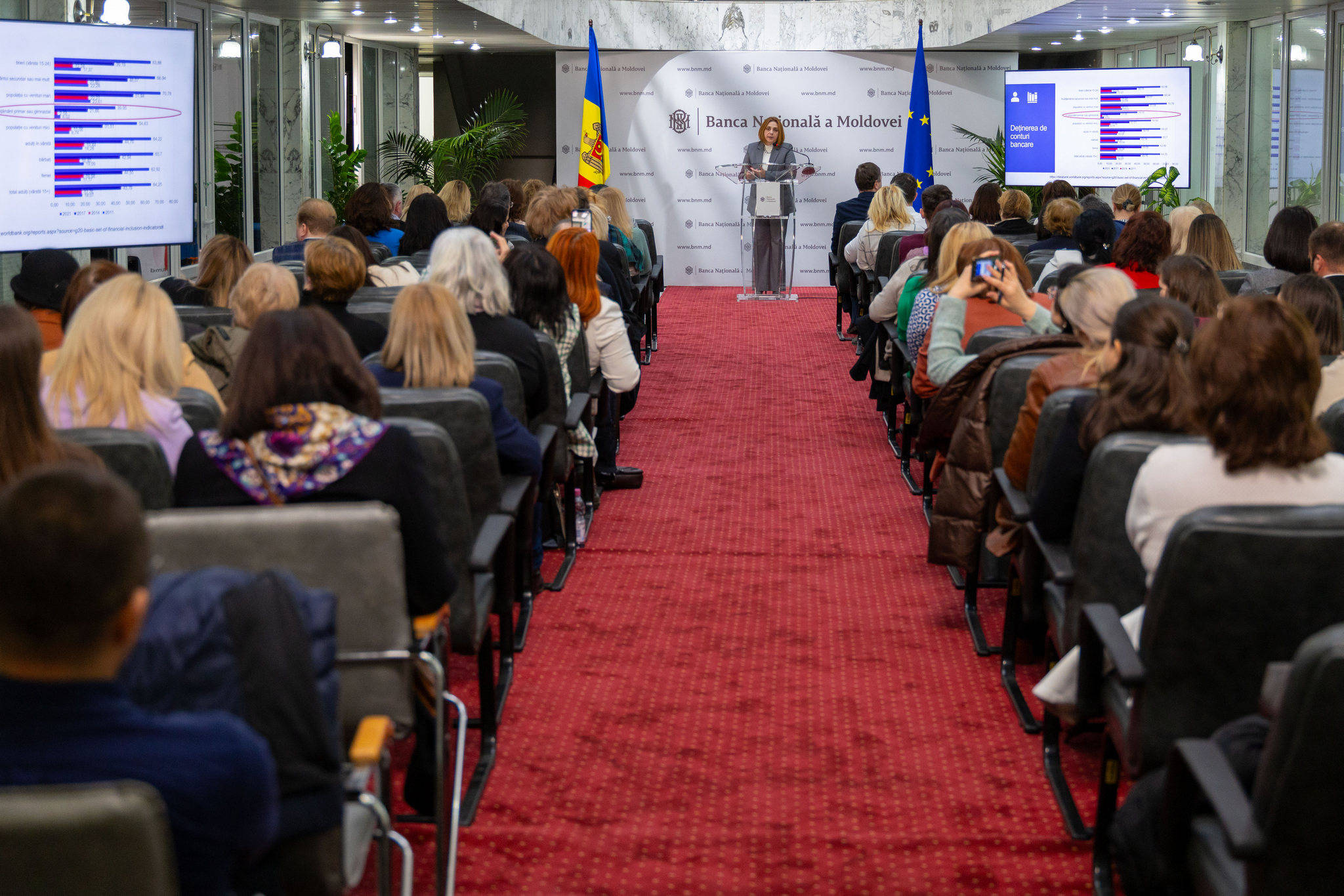
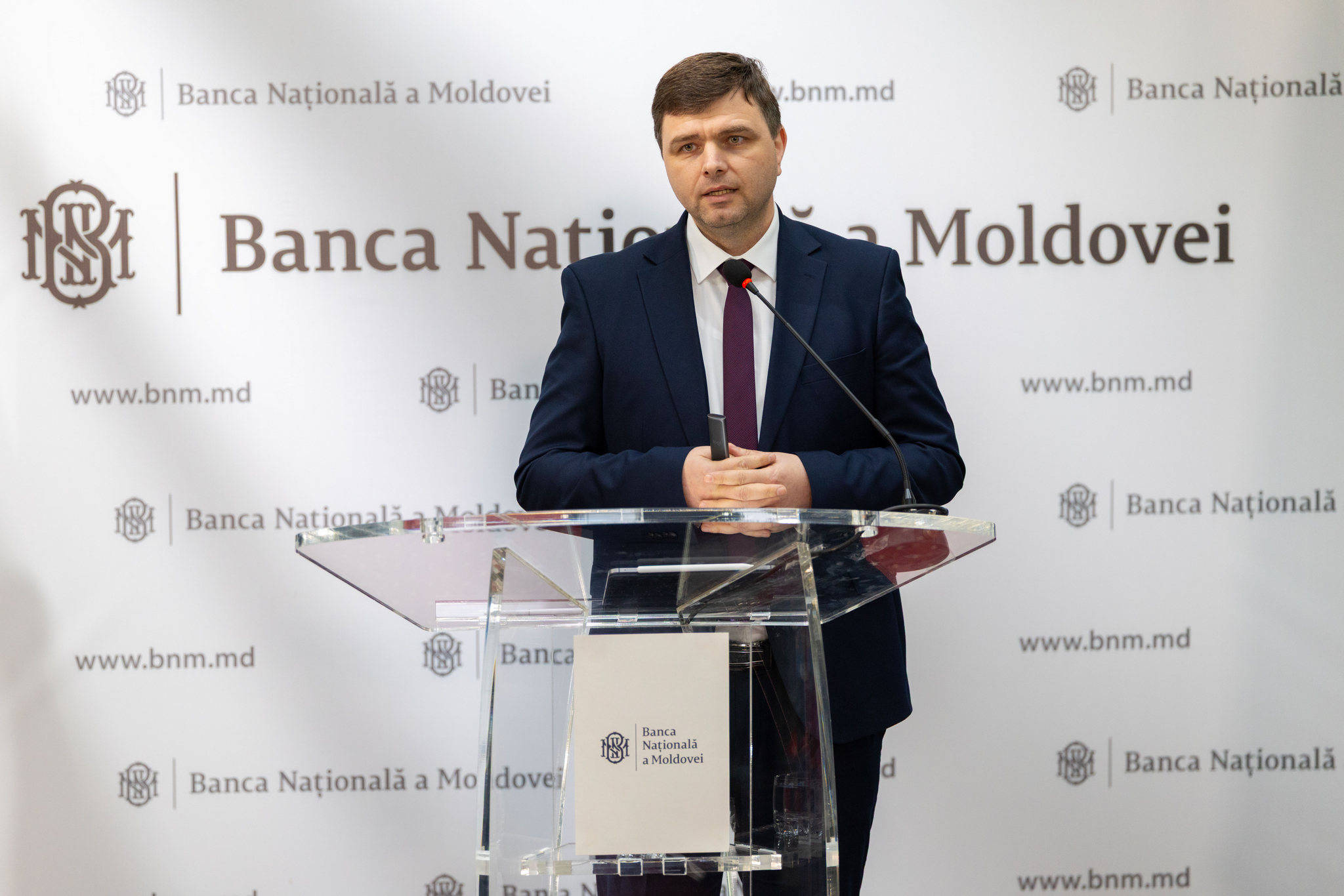
Президент Национального банка Молдовы Анка Драгу встретилась с преподавателями экономических учебных заведений, чтобы обсудить присоединение Республики Молдова к Единой зоне платежей в евро (SEPA) — системе, предназначенной для трансграничных банковских переводов в евро, а также преимущества присоединения для граждан и экономики.
«Сегодня мы обсуждаем платежную систему, которая изменит экономическое будущее страны», — отметила Анка Драгу. «Интеграция Республики Молдова в единую систему платежей в евро принесет значительные экономические выгоды на всех уровнях, упростив финансовые транзакции между Молдовой и другими европейскими государствами. Присоединение к SEPA будет способствовать снижению расходов на трансграничные платежи, облегчит доступ к современным финансовым инструментам и станет важным стимулом для развития национальной экономики», - отметила президент НБМ.
Анка Драгу также подчеркнула роль преподавателей в формировании у студентов четкого и глубокого видения последствий вступления нашей страны в SEPA и значимость обязательств, которые преподаватели принимают на себя каждый день по передаче экономических знаний будущим специалистам.
Мероприятие было интерактивным и включало содержательные дискуссии и обмен идеями относительно возможностей, которые открывает присоединение Республики Молдова к SEPA, предпринятых действий и следующих шагов. В этом контексте в ходе дискуссий подчеркивалась ответственность профессоров экономики за предоставление студентам более комплексного понимания международных экономических и финансовых процессов.
Представители Академии экономического образования Молдовы и Государственного университета Молдовы имели возможность обратиться с сообщениями и задать вопросы участникам, отметив важность образовательной программы, адаптированной к международным экономическим реалиям и текущим потребностям финансовых рынков.
Так, проректор Академии экономического образования Молдовы Виктория Кочуг отметила: «Пришло время переосмыслить роль школы и университета в подготовке ответственных граждан. Учебная программа должна быть адаптирована к новым экономическим реалиям: цифровизация, финансовые инновации, устойчивость. Финансовое образование должно быть введено не только как факультативный предмет, но и как неотъемлемая часть обучения молодежи и взрослых. Мы предлагаем комплексный подход — в партнерстве с НБМ, финансовыми учреждениями, государственным сектором и академическими кругами — для развития реальных, полезных и применимых навыков».
В свою очередь, декан факультета экономических наук Государственного университета Молдовы Мария Хэмурару отметила: «Модернизация содержания учебных программ путем интеграции актуальных тем, таких как инфраструктура современных платежных систем, цифровой банкинг и регулирования SEPA, отражает нашу приверженность предоставлению студентам актуальной подготовки, адаптированной к требованиям рынка труда. С помощью этих инициатив мы стремимся не только повысить качество профессиональной подготовки, но и укрепить финансовую культуру среди молодежи — важнейший фактор устойчивого развития национальной экономики».
В заключение глава Национального банка Анка Драгу подчеркнула важность сотрудничества финансовых органов и экономических учебных заведений в подготовке новых поколений специалистов, которые внесут вклад в консолидацию более эффективной экономической системы и лучше связанной с мировым рынком.


