Welcome to the official website of the National Bank of Moldova!
×
Do you have good eyesight and want to turn this tool off?



Welcome to the official website of the National Bank of Moldova!
You can choose one of the most popular reports from the list:
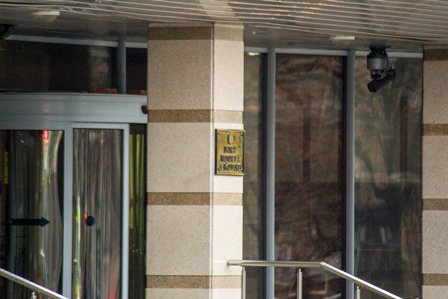
National Bank and the members of its decision-making bodies shall be independent in exercising the tasks conferred upon them by law, and shall neither seek nor take instructions from public authorities or from any other authority.

In order to ensure and maintain price stability over the medium term, the National Bank’s aim will be to keep inflation (measured by Consumer Price Index) at the level of 5.0 percent annually with a possible deviation of ± 1.5 percentage points, considered to be optimal for growth and development of Moldova's economy over the medium-term.

Financial stability is achieved by strengthening the resilience of the financial system, limiting the contagion effect and reducing the accumulation of systemic risks, thus contributing to the sustainability of the financial sector and economic growth.
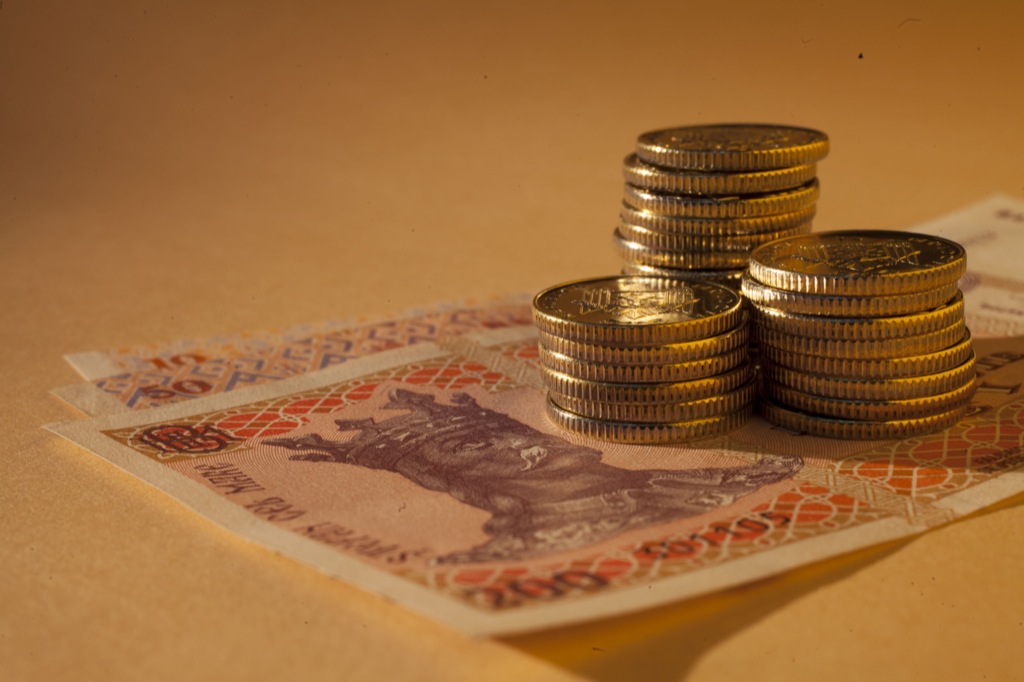
National Bank shall have the exclusive right to issue on the territory of the Republic of Moldova banknotes and coins as legal tender, as well as commemorative and jubilee banknotes and coins as legal tender and for numismatic purposes.

National Bank is exclusively responsible for the licencing, supervision and regulation of financial institutions activity.
National Bank of Moldova acts as banker and fiscal agent of the State and shall receive from state bodies economic and financial information and documents, which are necessary for carrying out its tasks.
National Bank of Moldova is an autonomous public legal entity and is responsible to the Parliament.

National Bank shall inform the public on the monetary policy strategy on the results of the macroeconomic analysis, the evolution of the financial market and on statistics, including with regard to monetary supply, crediting, balance of payments and the state of the foreign exchange market.

National Bank of Moldova is responsable for the compilation of the balance of payments, international investment position and the statistics of the external debt of the Republic of Moldova.
Raportul privind rezultatele monitorizării infrastructurii pieței financiare reprezintă o analiză a indicatorilor sistemelor de plăți și a instrumentelor de plată fără numerar, a tendințelor înregistrate pe parcursul trimestrului III al anului 2020, precum și a perspectivelor de evoluție a acestora.
În calitate de administrator al SAPI, pe parcursul trimestrului de referință, Banca Națională a Moldovei a monitorizat continuu activitatea participanților la sistem, parametrii funcționali și tehnici ai SAPI în scopul asigurării funcționării stabile și eficiente a acestuia. Disponibilitatea sistemului a constituit 100%, iar incidente majore în măsură să afecteze activitatea participanților și procesele critice ale SAPI nu au fost înregistrate.
În perioada 1 iulie -30 septembrie 2020, SAPI și-a derulat activitatea conform programului obișnuit de lucru, procesând 3,2 mil. plăți în valoare de 251,1 mld. lei.
Operațiunile de decontare în sistemul DCU s-au derulat în perioada de referință în condiții de siguranță, eficiență și în timp util, fiind înregistrat un singur incident pe parcursul trimestrului, acesta însă nu a afectat continuitatea sistemului.
Pe parcursul trimestrului III 2020, indicatorii activității cu carduri de plată și-au menținut tendința de creștere, numărul cardurilor aflate în circulație majorându-se cu 9,4 la sută față de aceeași perioadă a anului precedent, iar numărul plăților fără numerar efectuate cu cardurile emise în țară majorându-se cu 39,8 la sută față de perioada similară a anului precedent.
Conform datelor pentru trimestrul de referință, 88,4 la sută din număr și 88,8 la sută din valoarea operațiunilor de TC au fost inițiate în format electronic prin intermediul SADD, ceea ce reflectă gradul de digitalizare a serviciilor de plată în Republica Moldova.
Debitarea directă rămâne a fi un instrument mai puțin utilizat pe teritoriul Republicii Moldova. La finele trimestrului III al anului curent, acest instrument a fost utilizat de către 12,3 mii de plătitori. Debitarea directă este utilizată doar de către persoanele fizice, iar în majoritatea cazurilor este vorba de plata serviciilor comunale.
Sistemele automatizate de deservire la distanță (SADD) devin tot mai populare în rândul utilizatorilor, astfel se constată o majorare a numărului deținătorilor SADD la finele trimestrului III 2020 comparativ cu perioada similară a anului precedent, care se datorează, în special, creșterii considerabile a utilizatorilor sistemelor de tip mobile-payments. Numărul deținătorilor activi1 a consemnat o tendință de creștere de 45,1 la sută față de trimestrul III 2019, ca urmare a creșterii necesității de a utiliza sistemele automatizate de deservire la distanță pentru efectuarea plăților, în special în contextul situației epidemiologice din țară, cauzată de pandemia COVID-19.
Totodată, valoarea remiterilor de bani recepționate de către persoanele fizice a crescut cu 32,5 la sută față de trimestrul III 2019, iar la cele efectuate a crescut cu 32,4 la sută.
1. Deținător SADD care a efectuat cel puțin o operațiune financiară pe parcursul unui trimestru printr-un sistem automatizat de deservire la distanță.


