Bine ați venit pe pagină oficială a Băncii Naționale a Moldovei!



Bine ați venit pe pagină oficială a Băncii Naționale a Moldovei!
Cele mai populare rapoarte statistice:
Banca Naţională şi membrii organelor de conducere ale acesteia sunt independenţi în exercitarea atribuţiilor stabilite de lege şi nu pot solicita şi nici accepta instrucţiuni de la autorităţile publice sau de la orice altă autoritate.

Banca Naţională informează publicul despre evoluția inflației anuale, strategia de politică monetară,rezultatele analizei macroeconomice, evoluţiei pieţei financiare şi informaţia statistică, inclusiv privind masa monetară, acordarea creditelor, balanţa de plăţi şi situaţia pieţei valutare.

Pentru asigurarea şi menţinerea stabilităţii preţurilor pe termen mediu, Banca Naţională a Moldovei menţine inflaţia (măsurată prin indicele preţurilor de consum) la nivelul de 5.0 la sută anual cu o posibilă abatere de ± 1.5 puncte procentuale, fiind considerat nivelul optim pentru creşterea şi dezvoltarea economică a Republicii Moldova pe termen mediu.




Stabilitatea financiară se realizează prin consolidarea rezilienței sistemului financiar, limitarea efectului de contagiune și diminuarea acumulării de riscuri sistemice, contribuind, astfel, la sustenabilitatea sectorului financiar și creșterea economică.



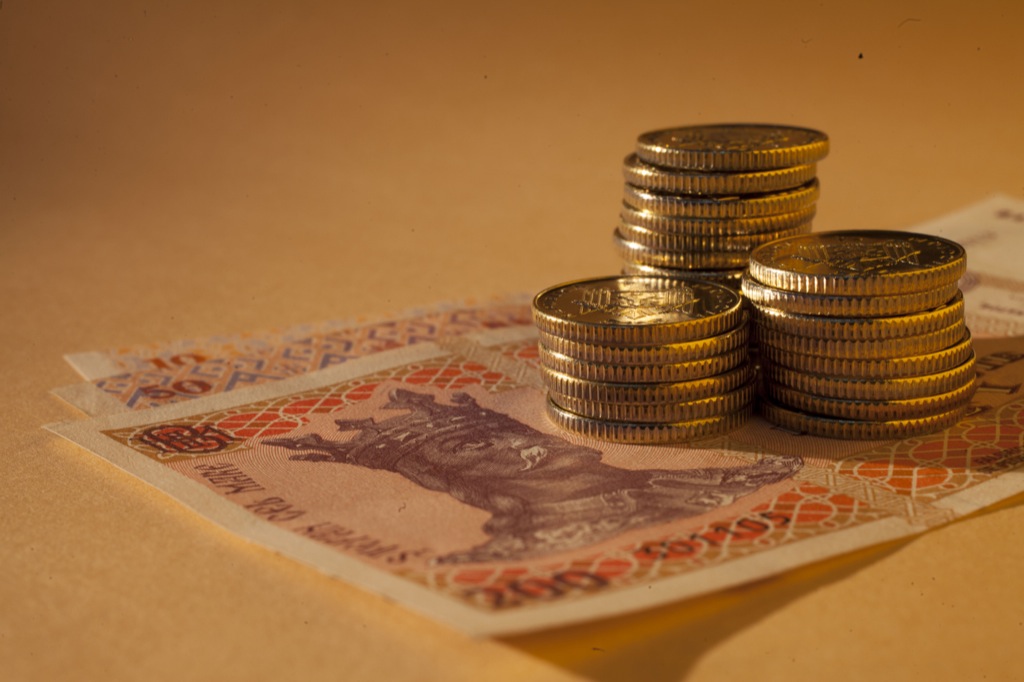
Banca Naţională a Moldovei, are dreptul exclusiv de a emite pe teritoriul Republicii Moldova bancnote şi monede metalice ca mijloc de plată. BNM pune în circulaţie bancnote şi monede metalice, prin intermediul sistemului bancar.



Banca Naţională este unica instituţie care efectuează licenţierea, supravegherea şi reglementarea activităţii instituţiilor financiare.

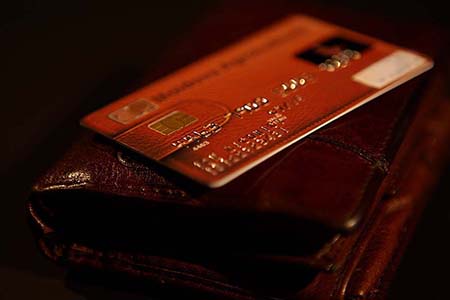
Banca Națională supraveghează sistemul de plăţi în Republica Moldova şi promovează funcţionarea stabilă şi eficientă a sistemului automatizat de plăţi interbancare.

Banca Naţională este o persoană juridică publică autonomă şi este responsabilă faţă de Parlament.

BNM publică statistici privind masa monetară, sectorul bancar, balanța de plăți, situația pieței valutare, etc. pentru a asigura transparența în procesul de elaborare și adoptare a deciziilor BNM, a asigura continuitatea în comunicare și predictibilitatea BNM pe piață, pentru sporirea credibilității BNM în calitate de bancă centrală dar și pe piața financiar-bancară din Republica Moldova.


International organizations, which include international financial institutions, are among the most important external partners that provide support to the NBM in key areas of activity. They play an essential role in supporting the NBM's efforts to promote financial stability, increase the effectiveness of its regulatory and supervisory framework. Increasing the efficiency of monetary policy and financial management, strengthening institutional and structural policies, promoting the development and proper functioning of the payment system, strengthening capacities in the field of banking supervision and developing the regulatory framework regarding bank resolution are some of the objectives of the technical assistance offered by these organizations. These joint efforts underline the continuous commitment of international organizations to support the sustainable economic development and European integration of the Republic of Moldova. Thus, among the main partners/donors of technical assistance of the NBM are the International Monetary Fund (IMF), the institutions of the World Bank Group, the European Bank for Reconstruction and Development (EBRD) and the Center of Excellence in Finance (CEF).
The IMF is one of the main partners of the NBM that pursues the goal of promoting economic stability, reducing global poverty and monitoring economic developments by identifying potential risks. The IMF's support includes assessing the financial sector, providing recommendations, detecting risks and vulnerabilities in the financial sector, and increasing the institutional capacities of the NBM in the exercise of its duties in the financial sector supervision and development.
Depending on the beneficiary country's needs, the IMF provides technical assistance in various forms, from long-term practical capacity building to short-term policy support in case of a financial crisis. Technical support is provided in a variety of ways. IMF experts may visit member countries to advise government and central bank officials on specific issues or may provide short- or long-term resident experts. Technical assistance is linked to the country's reform agendas as well as the IMF's supervisory and lending operations.
The World Bank Group comprises the following 5 institutions: the International Bank for Reconstruction and Development (IBRD), the International Finance Corporation (IFC), the International Development Association (IDA), the Multilateral Investment Guarantee Agency (MIGA) and the International Center for Dispute Settlement on Investments (ICSID). These institutions aim to provide financial and technical assistance to emerging markets.
On the regular basis, the World Bank organizes trainings for NBM representatives, where the innovations, techniques and methods of managing foreign reserves, as well as estimating and reducing the investment risks associated with this process, risk management, compliance and internal audit, banking supervision and others are presented.
At the same time, the NBM cooperates with the representatives of the Financial Sector Advisory Center of the World Bank (FinSAC) and the International Financial Corporation of the World Bank (IFC), which provide consultancy in various fields of the financial sector of the Republic of Moldova.
FinSAC works with certain countries in the Europe and Central Asia region to support their efforts to align local regulatory frameworks with international standards and ensure the effective functioning of their financial safety nets. In its role as a knowledge hub, FinSAC organizes relevant conferences, technical workshops and other knowledge exchange events, as well as conducts research projects.
IFC promotes economic development and reduces poverty by investing in private sector projects and firms in developing countries. IFC focuses on investing, advising and mobilizing finance for developing countries through loans, equity, trade finance and structured finance.
The EBRD is an international financial institution that aims to finance economic reforms in Central and Eastern European countries to help them transition to a market economy. The main forms of direct financing provided by EBRD are loans, investments and guarantees. In this sense, the EBRD remains one of the most important development partners for the Republic of Moldova, which contributes to the development of private sector through financing and consulting projects, as well as contributes to the dialogue on reforms in the financial sector.
Support from the EBRD, as well as financial assistance, is offered in the framework of the implementation process of the Country Strategies developed by the EBRD. They are set for a specific period and focus on cooperation, including consultation and technical support from the EBRD aimed at supporting the NBM's efforts to restructure and increase the resilience of the domestic financial sector. In this sense, the strategic priorities focus on improving the provision of inclusive infrastructures to support economic growth in the Republic of Moldova.
CEF supports capacity building of public servants and their institutions in Southeast Europe through learning and knowledge exchange. Being part of Eastern Europe, the Republic of Moldova became a member of the CEF in 2015, engaging in closer cooperation with other partners and countries within CEF.
In its activity, CEF highlights four thematic priorities for technical assistance and professional training: financial management, central banks, reform management and learning and knowledge ecosystems. Another important objective of CEF's activity is to support member institutions in becoming knowledge centers and learning organizations. At the same time, the CEF provides assistance in order to support the efforts of countries in the region in public finance management, fiscal policy and administration, and central bank reform efforts. This is made possible through innovative, participatory and practical solutions, as well as up-to-date expertise and in-depth knowledge of the countries in the region.
In June 2023, the project "National Bank of Moldova, institutional transformation into a learning-oriented organization" was launched, implemented with CEF support for a period of three years. Among its objectives are the creation within the NBM of an internal knowledge management and training function, the formation of a favorable environment for the cultivation of a learning culture, the development of internal capacity to strengthen management and leadership skills, the capacity to develop and provide training online and on-demand training in accordance with the NBM professional skills model, etc.
NBM is the first institution in the region to benefit from such project to which other interested institutions from the Republic of Moldova can also apply.


