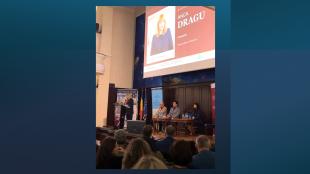
Bine ați venit pe pagină oficială a Băncii Naționale a Moldovei!



Bine ați venit pe pagină oficială a Băncii Naționale a Moldovei!
Cele mai populare rapoarte statistice:
Banca Naţională şi membrii organelor de conducere ale acesteia sunt independenţi în exercitarea atribuţiilor stabilite de lege şi nu pot solicita şi nici accepta instrucţiuni de la autorităţile publice sau de la orice altă autoritate.
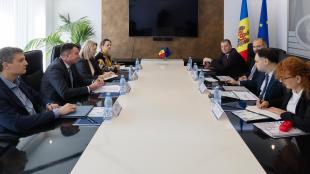
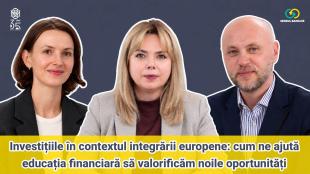

Banca Naţională informează publicul despre evoluția inflației anuale, strategia de politică monetară,rezultatele analizei macroeconomice, evoluţiei pieţei financiare şi informaţia statistică, inclusiv privind masa monetară, acordarea creditelor, balanţa de plăţi şi situaţia pieţei valutare.
Pentru asigurarea şi menţinerea stabilităţii preţurilor pe termen mediu, Banca Naţională a Moldovei menţine inflaţia (măsurată prin indicele preţurilor de consum) la nivelul de 5.0 la sută anual cu o posibilă abatere de ± 1.5 puncte procentuale, fiind considerat nivelul optim pentru creşterea şi dezvoltarea economică a Republicii Moldova pe termen mediu.




Stabilitatea financiară se realizează prin consolidarea rezilienței sistemului financiar, limitarea efectului de contagiune și diminuarea acumulării de riscuri sistemice, contribuind, astfel, la sustenabilitatea sectorului financiar și creșterea economică.



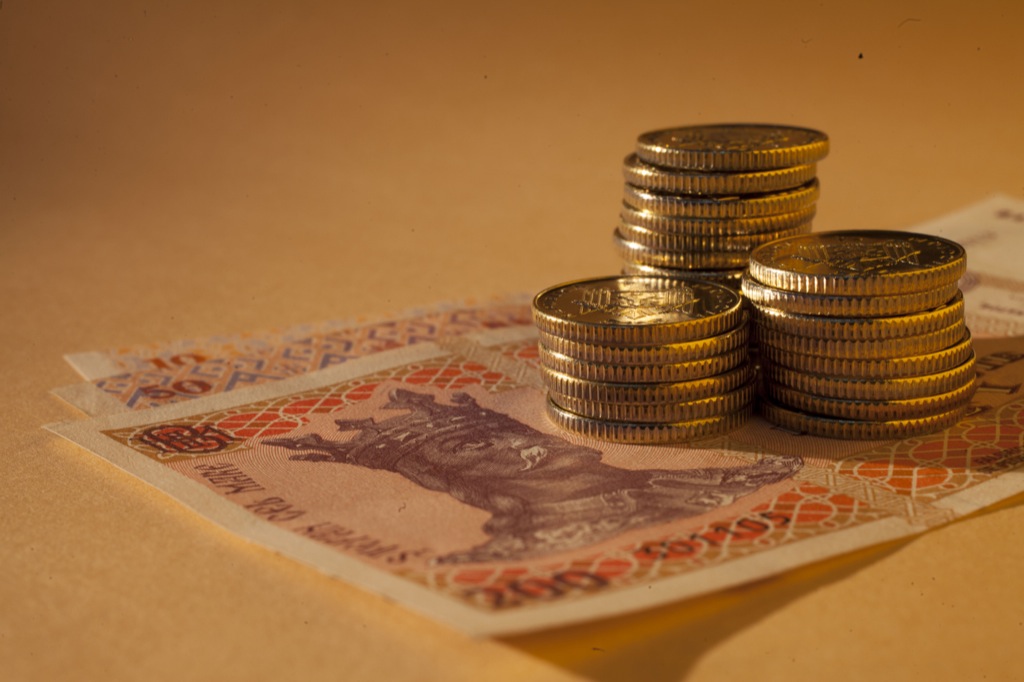
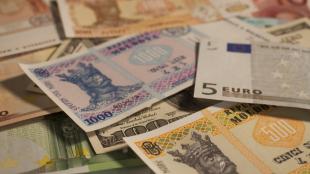
Banca Naţională a Moldovei, are dreptul exclusiv de a emite pe teritoriul Republicii Moldova bancnote şi monede metalice ca mijloc de plată. BNM pune în circulaţie bancnote şi monede metalice, prin intermediul sistemului bancar.


Banca Naţională este unica instituţie care efectuează licenţierea, supravegherea şi reglementarea activităţii instituţiilor financiare.
Banca Națională supraveghează sistemul de plăţi în Republica Moldova şi promovează funcţionarea stabilă şi eficientă a sistemului automatizat de plăţi interbancare.
Banca Naţională este o persoană juridică publică autonomă şi este responsabilă faţă de Parlament.

BNM publică statistici privind masa monetară, sectorul bancar, balanța de plăți, situația pieței valutare, etc. pentru a asigura transparența în procesul de elaborare și adoptare a deciziilor BNM, a asigura continuitatea în comunicare și predictibilitatea BNM pe piață, pentru sporirea credibilității BNM în calitate de bancă centrală dar și pe piața financiar-bancară din Republica Moldova.


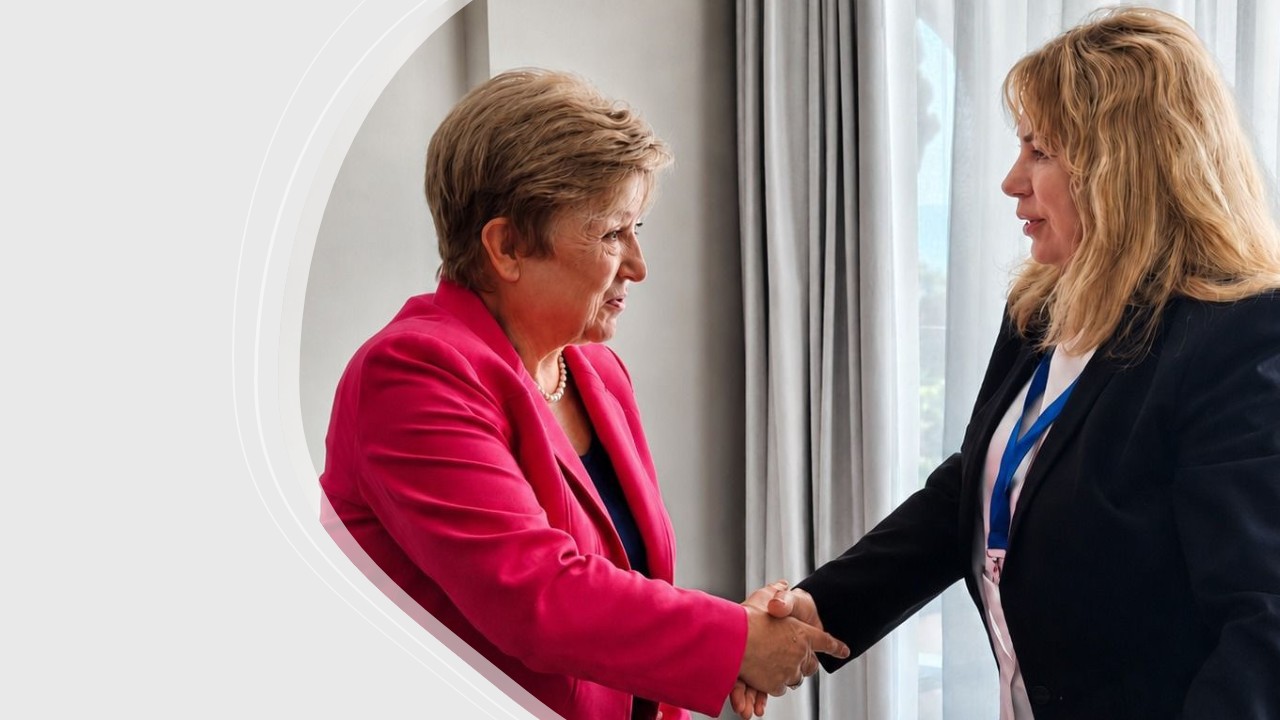
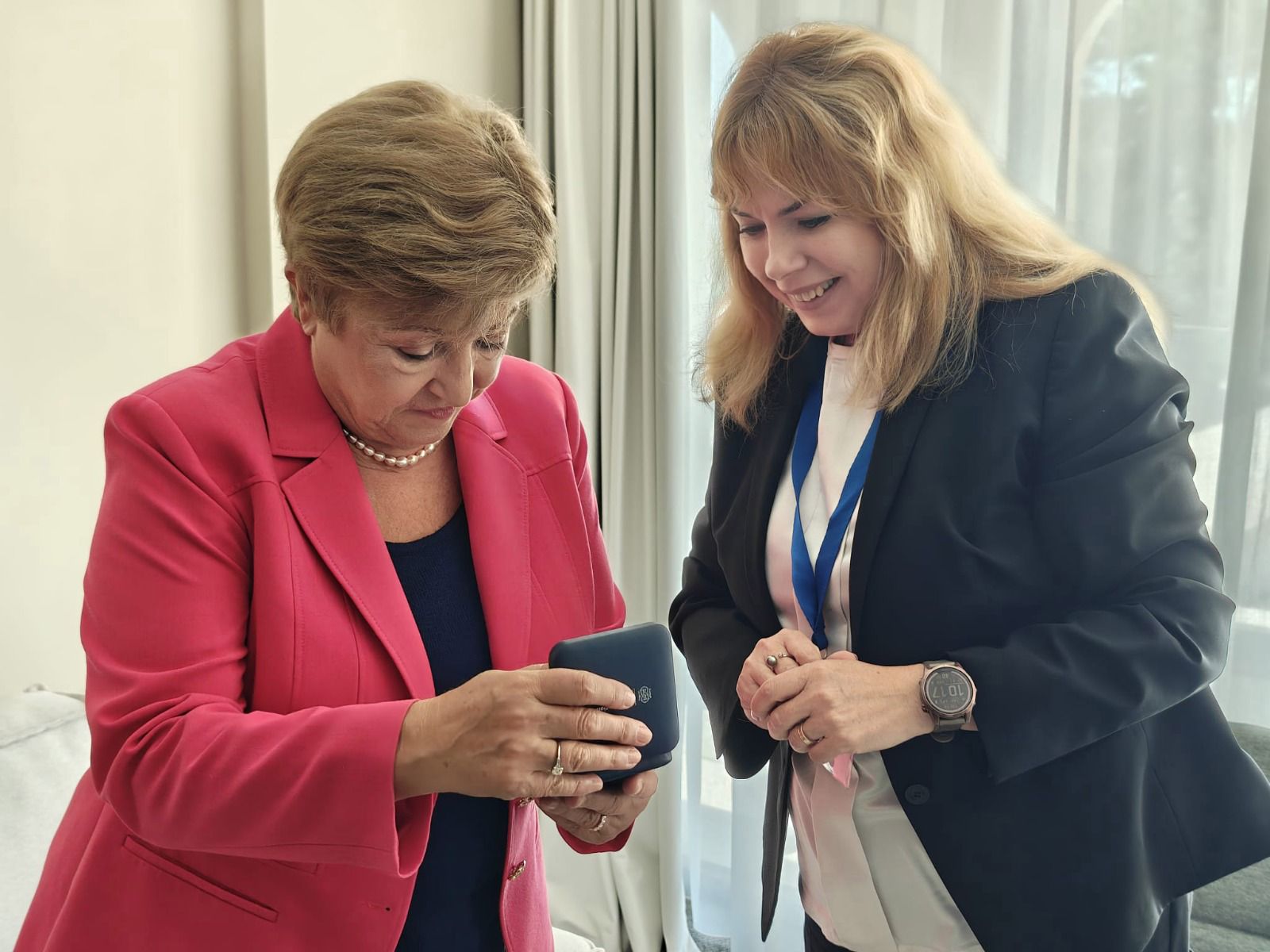
The Governor of the National Bank of Moldova (NBM), Ms Anca Dragu, had a bilateral meeting with Ms Kristalina Georgieva, Managing Director of the International Monetary Fund (IMF), in Bulgaria, where the 2026 IMF and World Bank Constituency Meeting is taking place.
The discussions focused on the Republic of Moldova’s cooperation with the IMF, recent macroeconomic developments, the strengthening of the institutional framework, and the continuation of reforms necessary for the country’s European path. The Governor of the NBM welcomed the staff-level agreement on the new Policy Coordination Instrument (PCI). Ms Anca Dragu expressed her appreciation for the efficiency and professionalism of the IMF team throughout this process.
“Cooperation with the International Monetary Fund, including through the PCI, remains important for strengthening macroeconomic stability, reinforcing the institutional framework, and supporting the reforms necessary for the Republic of Moldova’s European path,” emphasised the NBM Governor.
Ms Anca Dragu noted that the Republic of Moldova has a stable macroeconomic framework, and the financial sector remains resilient, well-capitalised, and has an adequate level of liquidity. At the same time, given the geopolitical uncertainties, the National Bank continues to closely monitor international developments and the potential impact of these trends on the national economy.
During the meeting, the Governor of the NBM also emphasised the importance of the technical assistance provided by the IMF in strengthening the institutional capacities of the National Bank. The priorities focus, in particular, on implementing the recommendations resulting from the Financial Sector Assessment Program (FSAP), strengthening the financial stability framework, developing macroprudential policy, modernising the monetary policy framework, and advancing reforms in the field of preventing and combating money laundering and terrorist financing.
Another topic addressed was the modernisation of the payments infrastructure. The NBM Governor highlighted the country’s progress in connecting to the Single Euro Payments Area (SEPA), as well as the development of the national instant payment system MIA, created by the National Bank of Moldova. These projects help reduce costs, increase transaction efficiency, and bring the Republic of Moldova closer, in practical terms, to the European financial infrastructure.
In the case of SEPA, the benefits are already visible for citizens and businesses. In the first 10 months since its launch, the use of SEPA transfers has generated savings of over 10 million euros—money that has remained in the pockets of Moldovan citizens, through a significant reduction in the costs associated with euro payments. This result demonstrates the tangible impact of integration into the European payments infrastructure: more accessible services, lower costs, and more efficient financial connections with the European Union.
At the same time, the MIA system, which in a short period of time has become a regional benchmark project, has established itself as a modern infrastructure for payments in MDL, enabling instant transactions 24/7 between individuals, companies, and public institutions. By developing these tools, the Republic of Moldova is moving toward a faster, more transparent, and more accessible payments ecosystem.
Another topic discussed was the National Bank’s contribution to the implementation of the reform agenda associated with the European Union’s Growth Plan for the Republic of Moldova. The NBM contributes to this process by strengthening financial legislation, developing the capital market, modernising the regulatory framework, and strengthening economic governance.
The Governor of the NBM reiterated the institution’s commitment to continuing the alignment of national legislation with the European Union’s acquis and the highest international standards in the financial sector. To this end, the National Bank aims to advance the process of recognising the equivalence of the Republic of Moldova’s prudential banking framework with European Union standards, a process that is important for enhancing confidence in the national banking system and reducing investment risks.
Ms Anca Dragu stressed that these progresses support the fulfilment of the measures undertaken as part of the National Programme for the Accession of the Republic of Moldova to the European Union and strengthen the foundation for accelerating European integration. At the same time, the reforms being promoted must yield tangible benefits for citizens and businesses, ranging from financial stability and protection to broader access to modern services, increased economic opportunities, and a better quality of life.
Ms Anca Dragu is in Varna, Bulgaria, from 18 to 21 June 2026, where she is attending the 2026 IMF and World Bank Group Constituency Meeting. The event brings together high-level officials, central bank governors, and representatives of the IMF, the World Bank Group, European institutions, and financial authorities from the Constituency’s member states.


