Bine ați venit pe pagină oficială a Băncii Naționale a Moldovei!



Bine ați venit pe pagină oficială a Băncii Naționale a Moldovei!
Cele mai populare rapoarte statistice:
Banca Naţională şi membrii organelor de conducere ale acesteia sunt independenţi în exercitarea atribuţiilor stabilite de lege şi nu pot solicita şi nici accepta instrucţiuni de la autorităţile publice sau de la orice altă autoritate.
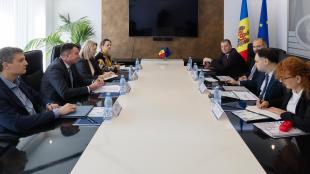


Banca Naţională informează publicul despre evoluția inflației anuale, strategia de politică monetară,rezultatele analizei macroeconomice, evoluţiei pieţei financiare şi informaţia statistică, inclusiv privind masa monetară, acordarea creditelor, balanţa de plăţi şi situaţia pieţei valutare.

Pentru asigurarea şi menţinerea stabilităţii preţurilor pe termen mediu, Banca Naţională a Moldovei menţine inflaţia (măsurată prin indicele preţurilor de consum) la nivelul de 5.0 la sută anual cu o posibilă abatere de ± 1.5 puncte procentuale, fiind considerat nivelul optim pentru creşterea şi dezvoltarea economică a Republicii Moldova pe termen mediu.




Stabilitatea financiară se realizează prin consolidarea rezilienței sistemului financiar, limitarea efectului de contagiune și diminuarea acumulării de riscuri sistemice, contribuind, astfel, la sustenabilitatea sectorului financiar și creșterea economică.



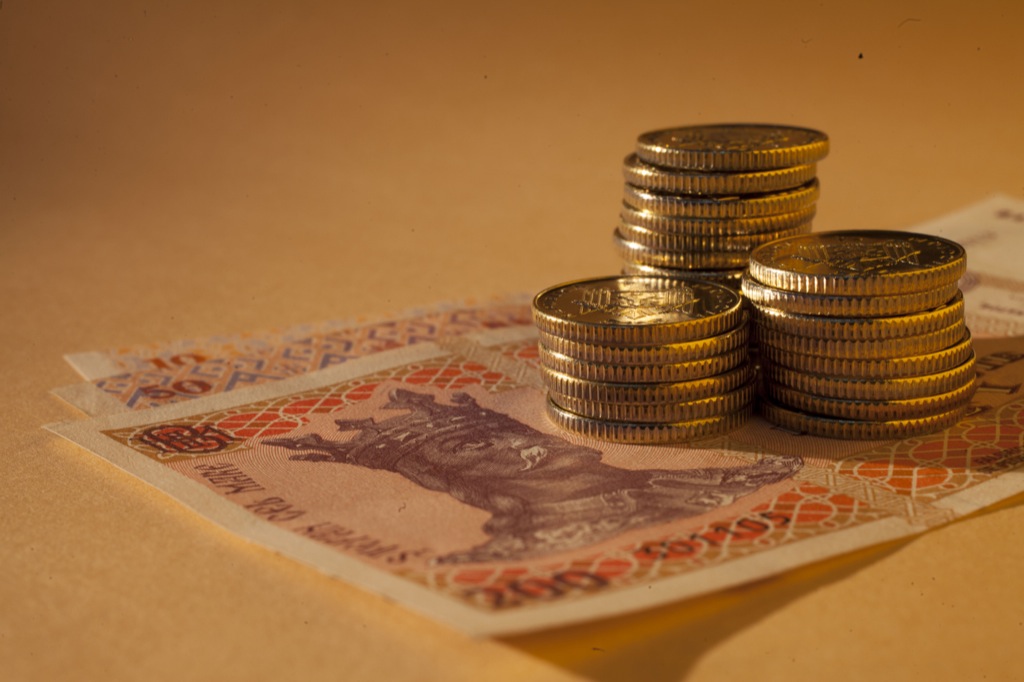
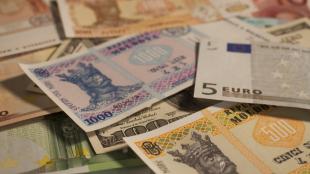
Banca Naţională a Moldovei, are dreptul exclusiv de a emite pe teritoriul Republicii Moldova bancnote şi monede metalice ca mijloc de plată. BNM pune în circulaţie bancnote şi monede metalice, prin intermediul sistemului bancar.



Banca Naţională este unica instituţie care efectuează licenţierea, supravegherea şi reglementarea activităţii instituţiilor financiare.


Banca Națională supraveghează sistemul de plăţi în Republica Moldova şi promovează funcţionarea stabilă şi eficientă a sistemului automatizat de plăţi interbancare.



Banca Naţională este o persoană juridică publică autonomă şi este responsabilă faţă de Parlament.

BNM publică statistici privind masa monetară, sectorul bancar, balanța de plăți, situația pieței valutare, etc. pentru a asigura transparența în procesul de elaborare și adoptare a deciziilor BNM, a asigura continuitatea în comunicare și predictibilitatea BNM pe piață, pentru sporirea credibilității BNM în calitate de bancă centrală dar și pe piața financiar-bancară din Republica Moldova.


The NBM has a crucial role in promoting economic and financial development of the country, and the technical assistance provided by external partners is an essential component of this process. Technical assistance from other external partners such as USAID, US Treasury, UK Good Governance Fund, etc. covers a wide range of issues, including monetary policy, banking regulation, reserve management and other areas critical to financial stability. This collaboration reflects the mutual commitment of external partners and the NBM to promote a robust and efficient financial infrastructure for the benefit of the country's economy.
USAID plays a crucial role in supporting central banks in developing countries through various programs and initiatives. The main purpose of these efforts is to promote economic stability and improve the financial performance of these countries. USAID provides expertise and resources to support banks on their journey to financial stability and independence. This assistance includes staff training in areas such as monetary policy, risk management and anti-money laundering.
At the same time, USAID provides considerable support in the process of boosting national economic development, as well as institutional reform in the Republic of Moldova through programs as MISRA (Moldova Institutional and Structural Reforms Activity) and FSTA (Financial Sector Transparency Activity). MISRA builds on USAID's finished and ongoing activities to strengthen Moldova's economic growth and resilience, accelerate financial sector reforms, and improve economic governance in the public sector. In turn, the FSTA supports the economic growth of the Republic of Moldova by improving the transparency, stability and soundness of the financial sector by strengthening the capacity of the National Bank of Moldova (NBM), the Central Securities Depository (CSD) and the Republic of Moldova as a whole.
The Office of Technical Assistance of the United States Treasury has a significant role in assisting countries in the process of developing financial and economic policies, as well as in making financial institutions work more efficiently. The Office provides technical assistance in nearly 50 countries, including the Republic of Moldova, with the aim of supporting the development of strong financial sectors and sound public financial management in countries where assistance is needed and there is a strong commitment for reform.
The Technical Assistance Office supports finance ministries and central banks in developing and transition countries to strengthen their capacity to effectively manage public finances and protect their financial sectors. The assistance provided by the United States Treasury includes capacity building of central bank staff, modernization of IT systems, policy support and promotion of regional cooperation. At the same time, the Office offers consultancy to countries in order to promote financial self-sufficiency for developing the capacity to manage their own public finances more effectively and for reducing dependence on international aid. It generally follows a project cycle of three to five years with the aim of creating maximum impact.
The UK Good Governance Fund is funded by the UK Government and focuses largely on supporting governance and economic reform in Armenia, Bosnia and Herzegovina, Georgia, Macedonia, Moldova, Serbia and Ukraine. Specific areas supported by the Fund include anti-corruption measures, improving the business environment, legal reform, key sector reforms, strengthening the rule of law and supporting an independent media. The Fund's assistance consists of supporting states to strengthen and develop resilience to external and internal shocks, both political and economic, and thereby support economic growth and poverty reduction. This involves providing expertise and resources to support institutions in strengthening the operational framework and governance to improve the financial stability of the country.
The EFSE promotes a comprehensive approach to promoting economic development and prosperity in South-Eastern Europe and the EU's Eastern Neighborhood region. EFSE invests in local financial infrastructure and provides dedicated financing to small and medium-sized enterprises. At the same time, EFSE offers support in creating favorable conditions for building the capacity of local financial institutions, by facilitating the exchange of knowledge and mentoring. EFSE invests in local financial intermediaries to provide loans to commercial banks, microfinance institutions and non-bank financial institutions such as leasing companies.
In addition, the EFSE provides technical assistance and other non-financial support to institutions and individuals to anchor and multiply the fund's impact. This assistance aims to develop skills, connect ecosystem actors, study the market and build a culture of entrepreneurship and responsible finance.
The OECD is an international organization that aims to improve global economic and financial policies. The OECD provides detailed economic analysis and research that is used by central banks to guide their policy making. The organization develops international standards and provides recommendations on financial regulations. At the same time, the OECD facilitates the exchange of experiences and best practices between central banks by organizing forums and meetings. Technical assistance provided to member countries and organization’s partners includes technical advice and support, organization of seminars, workshops and training courses. Through these means, the OECD contributes to the development of effective policies, improving governance and promoting sustainable economic growth on the global level.
Of major importance is also the technical assistance granted to the NBM by the central banks of other states, as well as by other development partners in the field of banking supervision, monetary and currency policy, financial stability, the payment system, etc. Among the main partners that have provided technical assistance to the NBM based on direct bilateral collaboration in recent years are the following central banks: National Bank of Romania, Central Bank of the Kingdom of the Netherlands, Central Bank of Belgium, Central Bank of Germany, Central Bank of Georgia, Central Bank of Lithuania, Central Bank of Poland, Central Bank of the Republic of Turkey, National Bank of Ukraine and others.


