Bine ați venit pe pagină oficială a Băncii Naționale a Moldovei!



Bine ați venit pe pagină oficială a Băncii Naționale a Moldovei!
Cele mai populare rapoarte statistice:
Banca Naţională şi membrii organelor de conducere ale acesteia sunt independenţi în exercitarea atribuţiilor stabilite de lege şi nu pot solicita şi nici accepta instrucţiuni de la autorităţile publice sau de la orice altă autoritate.

Banca Naţională informează publicul despre evoluția inflației anuale, strategia de politică monetară,rezultatele analizei macroeconomice, evoluţiei pieţei financiare şi informaţia statistică, inclusiv privind masa monetară, acordarea creditelor, balanţa de plăţi şi situaţia pieţei valutare.
Pentru asigurarea şi menţinerea stabilităţii preţurilor pe termen mediu, Banca Naţională a Moldovei menţine inflaţia (măsurată prin indicele preţurilor de consum) la nivelul de 5.0 la sută anual cu o posibilă abatere de ± 1.5 puncte procentuale, fiind considerat nivelul optim pentru creşterea şi dezvoltarea economică a Republicii Moldova pe termen mediu.


Stabilitatea financiară se realizează prin consolidarea rezilienței sistemului financiar, limitarea efectului de contagiune și diminuarea acumulării de riscuri sistemice, contribuind, astfel, la sustenabilitatea sectorului financiar și creșterea economică.



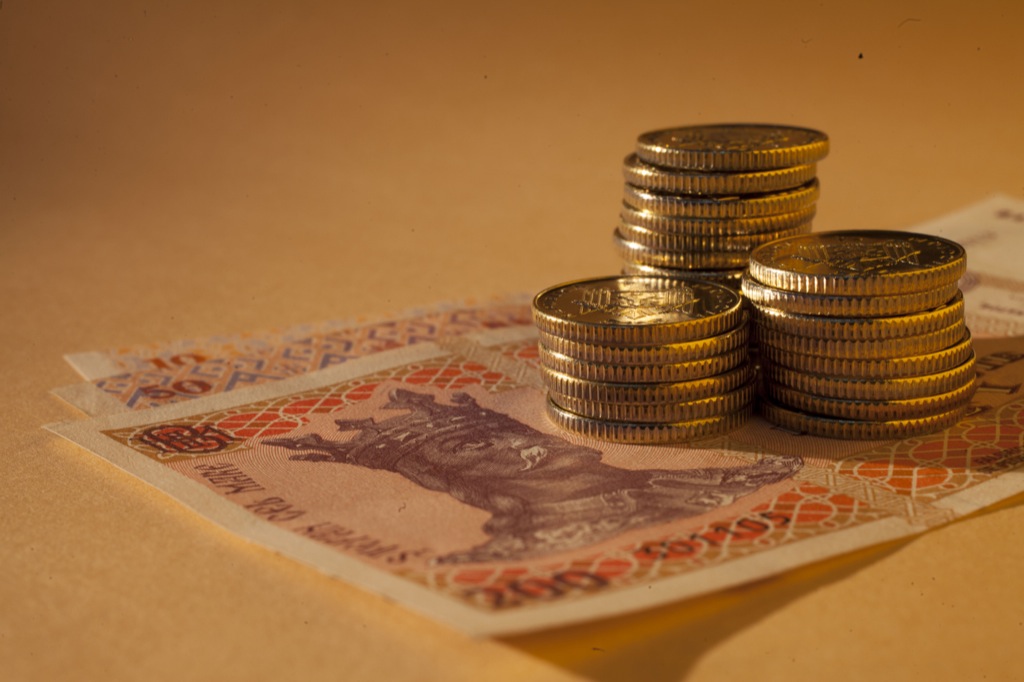
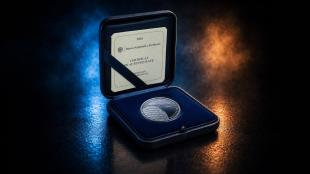
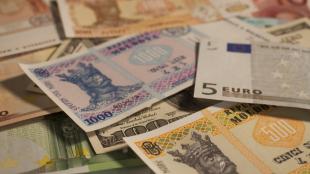
Banca Naţională a Moldovei, are dreptul exclusiv de a emite pe teritoriul Republicii Moldova bancnote şi monede metalice ca mijloc de plată. BNM pune în circulaţie bancnote şi monede metalice, prin intermediul sistemului bancar.

Banca Naţională este unica instituţie care efectuează licenţierea, supravegherea şi reglementarea activităţii instituţiilor financiare.

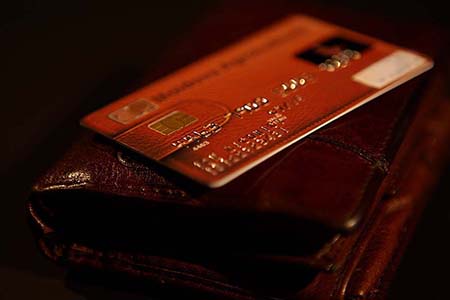
Banca Națională supraveghează sistemul de plăţi în Republica Moldova şi promovează funcţionarea stabilă şi eficientă a sistemului automatizat de plăţi interbancare.
Banca Naţională este o persoană juridică publică autonomă şi este responsabilă faţă de Parlament.
BNM publică statistici privind masa monetară, sectorul bancar, balanța de plăți, situația pieței valutare, etc. pentru a asigura transparența în procesul de elaborare și adoptare a deciziilor BNM, a asigura continuitatea în comunicare și predictibilitatea BNM pe piață, pentru sporirea credibilității BNM în calitate de bancă centrală dar și pe piața financiar-bancară din Republica Moldova.


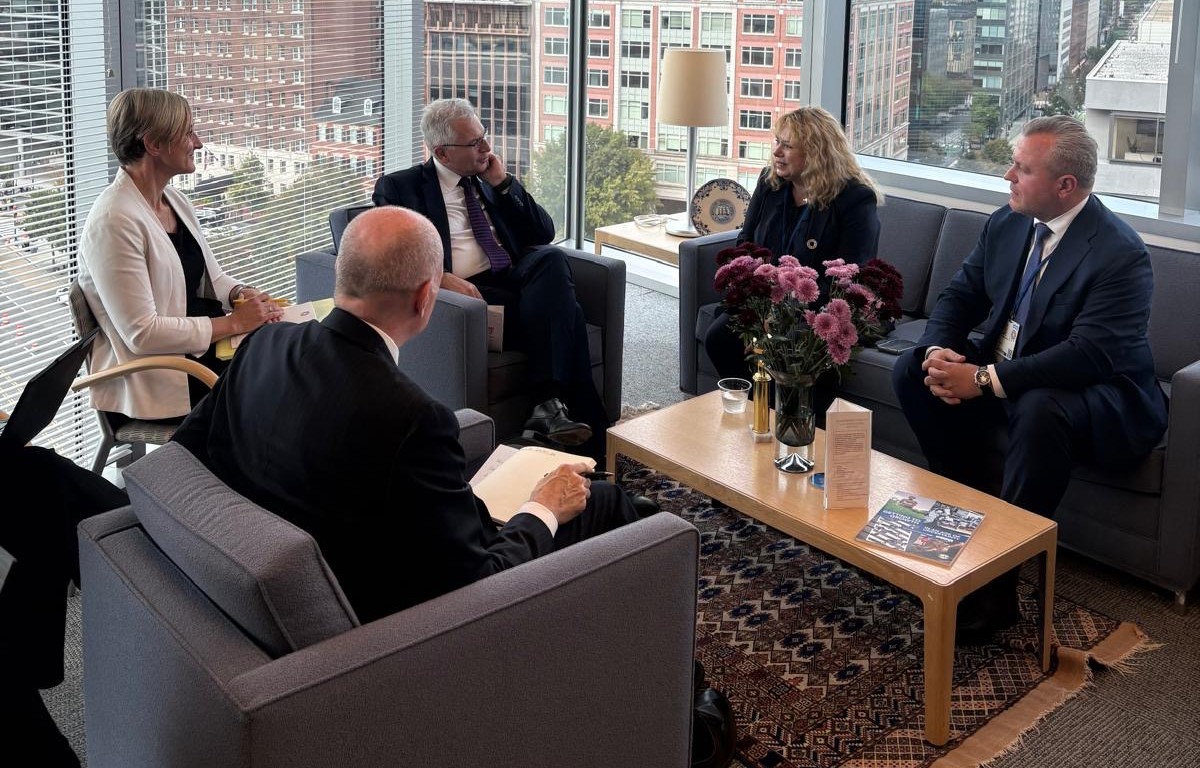
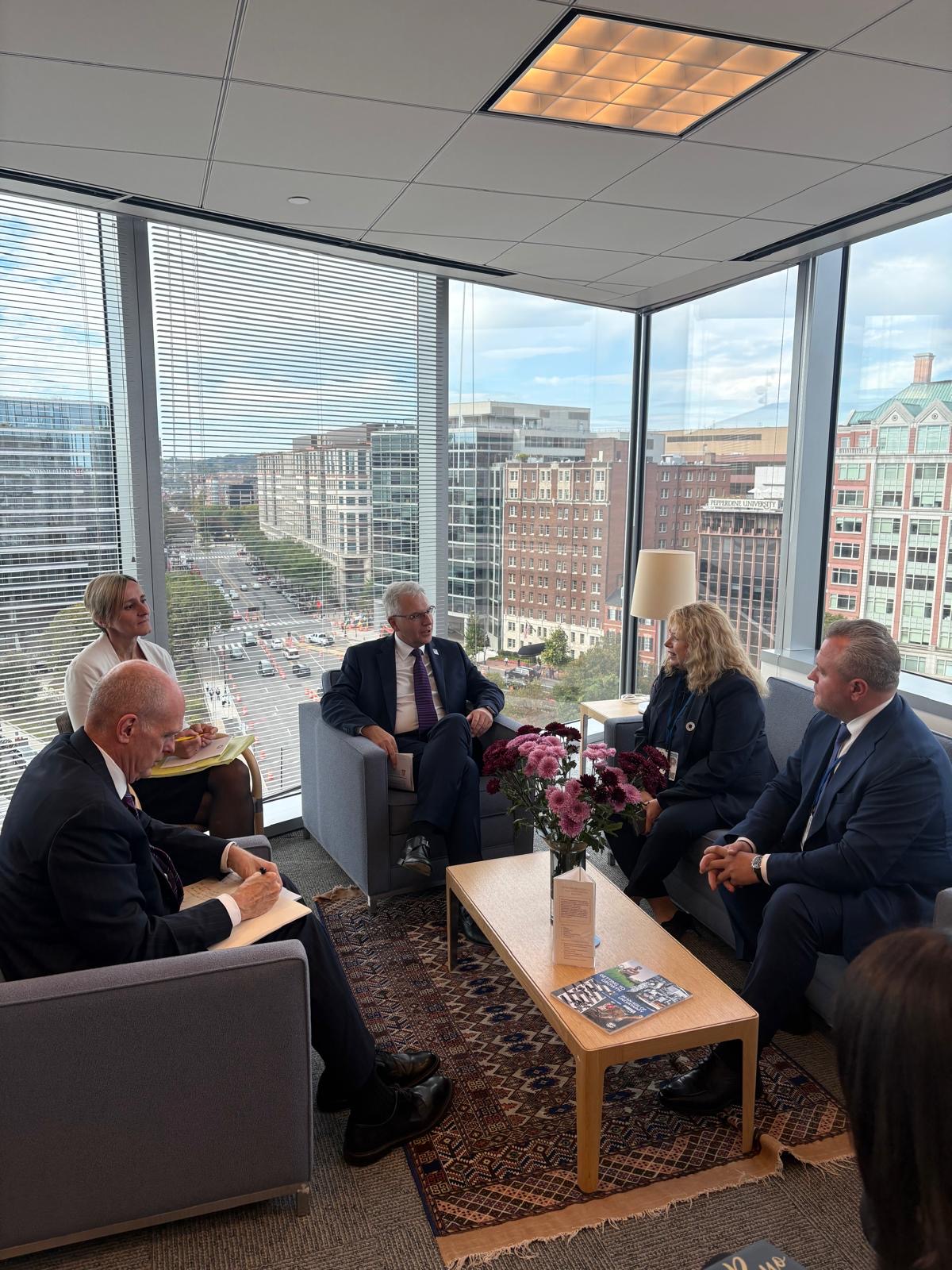
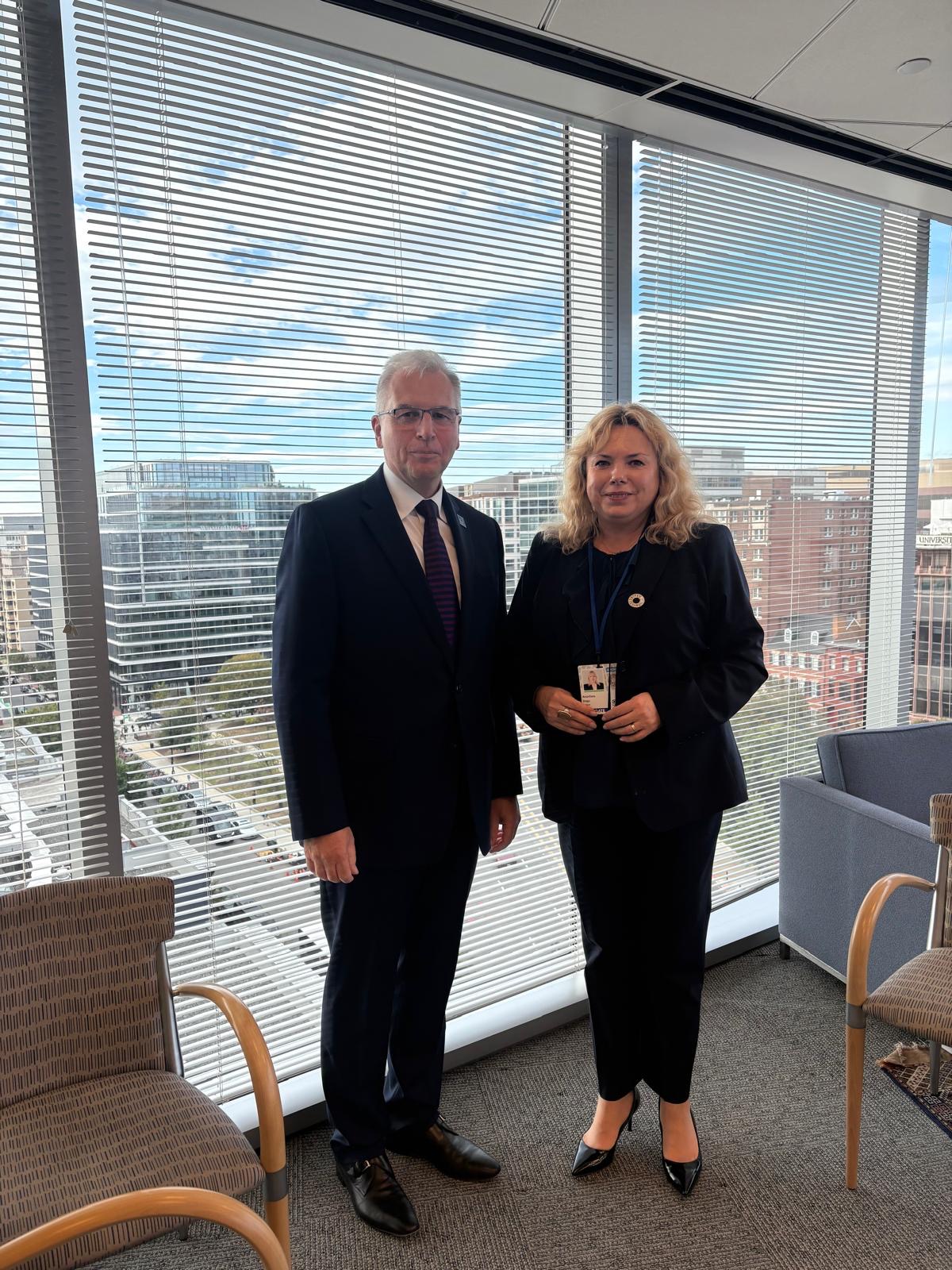
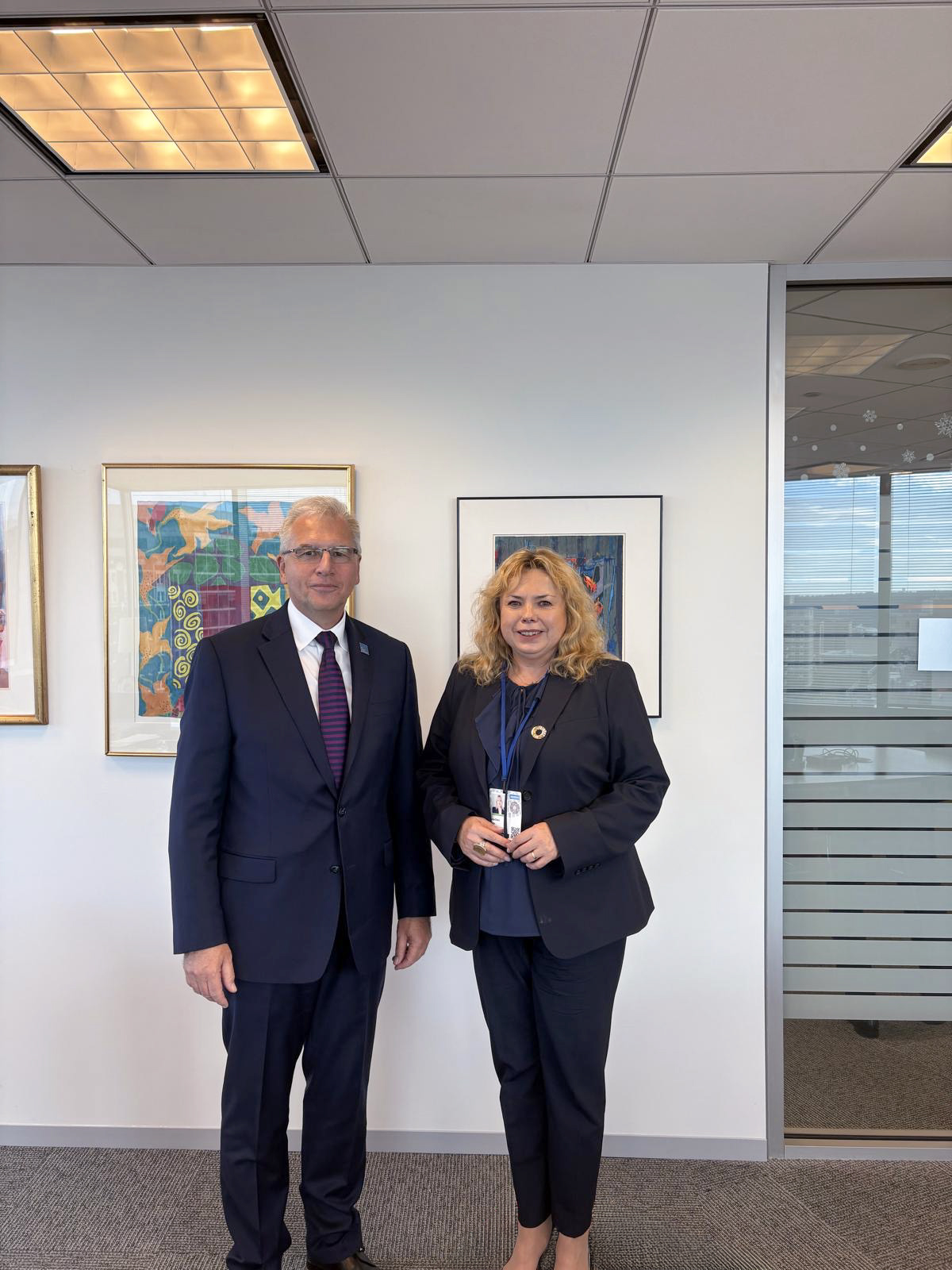
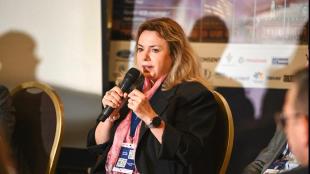
The delegation of the National Bank of Moldova (NBM), led by Governor Anca Dragu, had a meeting today with Alfred Kammer, Director of the European Department of the International Monetary Fund (IMF), during the Annual Meetings of the World Bank Group and the IMF, held from 13 to 18 October 2025, in Washington.
The discussions focused on the results of structural reforms and the macroeconomic outlook for the Republic of Moldova. The measures adopted by the NBM to strengthen financial stability and the progress made in the European integration process were also analysed.
Governor Anca Dragu referred to recent macroeconomic developments, highlighting the downward trajectory of inflation and the recovery of economic activity, as well as the NBM's reform priorities aimed at strengthening financial stability, the supervisory framework, and modernising the payment infrastructure.
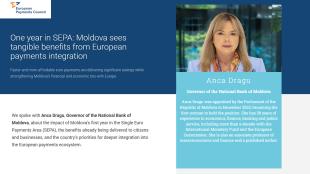
In this context, Mr. Alfred Kammer noted the significant progress made by the Republic of Moldova, mentioning in particular its accession to the Single Euro Payments Area (SEPA) – a major step on the path to European integration and proof of international partners’ confidence in the soundness of the national financial system.
Mr. Kammer also welcomed the successful completion of the assessment missions carried out under the FSAP (Financial Sector Assessment Program) conducted by the IMF and the World Bank. This assessment provides an in-depth and objective analysis of the quality of banking regulation and supervision, the implementation of stress tests for banks in the Republic of Moldova, an assessment of crisis management capabilities, and an analysis of how the financial system supports access to finance for small and medium-sized enterprises, as well as other key economic sectors.
"We continue to implement reforms that strengthen institutional governance, reinforce trust in the banking sector, and bring the Republic of Moldova closer to European economic and financial standards," stated the NBM Governor.
Ms. Anca Dragu expressed appreciation for the continued support provided by the IMF in promoting economic stability and implementing reforms, emphasising that this partnership contributes substantially to maintaining macroeconomic balance and strengthening the resilience of the national economy.
The International Monetary Fund is one of the strategic partners of the National Bank of Moldova, with the objective of promoting economic and financial stability and strengthening institutional resilience. The IMF's support is reflected in the assessment of the financial sector, the formulation of recommendations for the early detection of risks and vulnerabilities, as well as the enhancement of the NBM's institutional capacities in exercising supervisory functions and developing the financial sector.


