
Bine ați venit pe pagină oficială a Băncii Naționale a Moldovei!



Bine ați venit pe pagină oficială a Băncii Naționale a Moldovei!
Cele mai populare rapoarte statistice:

Banca Naţională şi membrii organelor de conducere ale acesteia sunt independenţi în exercitarea atribuţiilor stabilite de lege şi nu pot solicita şi nici accepta instrucţiuni de la autorităţile publice sau de la orice altă autoritate.



Banca Naţională informează publicul despre evoluția inflației anuale, strategia de politică monetară,rezultatele analizei macroeconomice, evoluţiei pieţei financiare şi informaţia statistică, inclusiv privind masa monetară, acordarea creditelor, balanţa de plăţi şi situaţia pieţei valutare.



Pentru asigurarea şi menţinerea stabilităţii preţurilor pe termen mediu, Banca Naţională a Moldovei menţine inflaţia (măsurată prin indicele preţurilor de consum) la nivelul de 5.0 la sută anual cu o posibilă abatere de ± 1.5 puncte procentuale, fiind considerat nivelul optim pentru creşterea şi dezvoltarea economică a Republicii Moldova pe termen mediu.




Stabilitatea financiară se realizează prin consolidarea rezilienței sistemului financiar, limitarea efectului de contagiune și diminuarea acumulării de riscuri sistemice, contribuind, astfel, la sustenabilitatea sectorului financiar și creșterea economică.




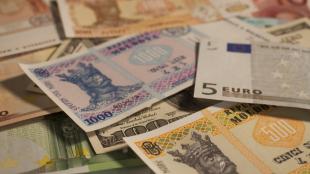
Banca Naţională a Moldovei, are dreptul exclusiv de a emite pe teritoriul Republicii Moldova bancnote şi monede metalice ca mijloc de plată. BNM pune în circulaţie bancnote şi monede metalice, prin intermediul sistemului bancar.




Banca Naţională este unica instituţie care efectuează licenţierea, supravegherea şi reglementarea activităţii instituţiilor financiare.



Banca Națională supraveghează sistemul de plăţi în Republica Moldova şi promovează funcţionarea stabilă şi eficientă a sistemului automatizat de plăţi interbancare.



Banca Naţională este o persoană juridică publică autonomă şi este responsabilă faţă de Parlament.

BNM publică statistici privind masa monetară, sectorul bancar, balanța de plăți, situația pieței valutare, etc. pentru a asigura transparența în procesul de elaborare și adoptare a deciziilor BNM, a asigura continuitatea în comunicare și predictibilitatea BNM pe piață, pentru sporirea credibilității BNM în calitate de bancă centrală dar și pe piața financiar-bancară din Republica Moldova.


Financial Stability Report for 2024
The year 2024 was marked by a series of systemic challenges, generated both by persistent international economic uncertainties and by the structural vulnerabilities of the domestic economy. In this context, the economy of the Republic of Moldova recorded an economic growth of 0.1 percent, significantly influenced by the contraction of the agricultural sector. Average annual inflation was 4.7 percent, initially remaining within the target range, but temporarily exceeding it in the second half of the year, driven by pressures from food prices and energy tariffs.
Despite these evolutions, the national financial system has demonstrated solid resilience. The banking sector continued to function efficiently, supporting financial intermediation and monetary policy transmission. Fundamental stability indicators remained at comfortable levels: banks maintained robust capitalization, with own funds levels above minimum requirements; liquidity was consistently above regulatory thresholds, including during periods of seasonal pressure; asset quality remained high, with a low share of non-performing loans; the aggregate financial stress index was at a historically low level, and systemic banking vulnerability continued to be low. All this confirms the robustness of the financial system in the face of external shocks and its capacity to support the real economy.
The systemic risk assessment highlighted the persistence of vulnerabilities in the non-banking sector, as well as potential risks associated with the real estate market, climate change and digitalization. At the same time, exposure to external shocks – including those of geopolitical, energy or trade nature – remained a relevant source of uncertainty, although cross-border contagion risks were moderate.
At the macroprudential level, the authorities maintained a cautious and balanced approach. Law on the National Bank of Moldova no. 548/1995 was amended to explicitly establish the macroprudential mandate of the National Bank, and the range of macroprudential instruments at its disposal. During the year, macroprudential tools were applied proportionally to the level of identified risks, and the regulatory framework was further strengthened. The National Committee on Financial Stability (NCFS) actively exercised its inter-institutional coordination mandate, contributing to preventing the accumulation of systemic imbalances and strengthening decision-making coherence among authorities responsible for financial stability.
For 2025, a moderate acceleration of economic activity is anticipated (GDP: +2.0 percent) as well as a gradual return of inflation to the NBM target corridor. The National Bank will continue its efforts to increase the resilience of the financial system, monitor systemic risks and react, if necessary, if these risks materialize.


