Bine ați venit pe pagină oficială a Băncii Naționale a Moldovei!



Bine ați venit pe pagină oficială a Băncii Naționale a Moldovei!
Cele mai populare rapoarte statistice:
Banca Naţională şi membrii organelor de conducere ale acesteia sunt independenţi în exercitarea atribuţiilor stabilite de lege şi nu pot solicita şi nici accepta instrucţiuni de la autorităţile publice sau de la orice altă autoritate.



Banca Naţională informează publicul despre evoluția inflației anuale, strategia de politică monetară,rezultatele analizei macroeconomice, evoluţiei pieţei financiare şi informaţia statistică, inclusiv privind masa monetară, acordarea creditelor, balanţa de plăţi şi situaţia pieţei valutare.
Pentru asigurarea şi menţinerea stabilităţii preţurilor pe termen mediu, Banca Naţională a Moldovei menţine inflaţia (măsurată prin indicele preţurilor de consum) la nivelul de 5.0 la sută anual cu o posibilă abatere de ± 1.5 puncte procentuale, fiind considerat nivelul optim pentru creşterea şi dezvoltarea economică a Republicii Moldova pe termen mediu.




Stabilitatea financiară se realizează prin consolidarea rezilienței sistemului financiar, limitarea efectului de contagiune și diminuarea acumulării de riscuri sistemice, contribuind, astfel, la sustenabilitatea sectorului financiar și creșterea economică.



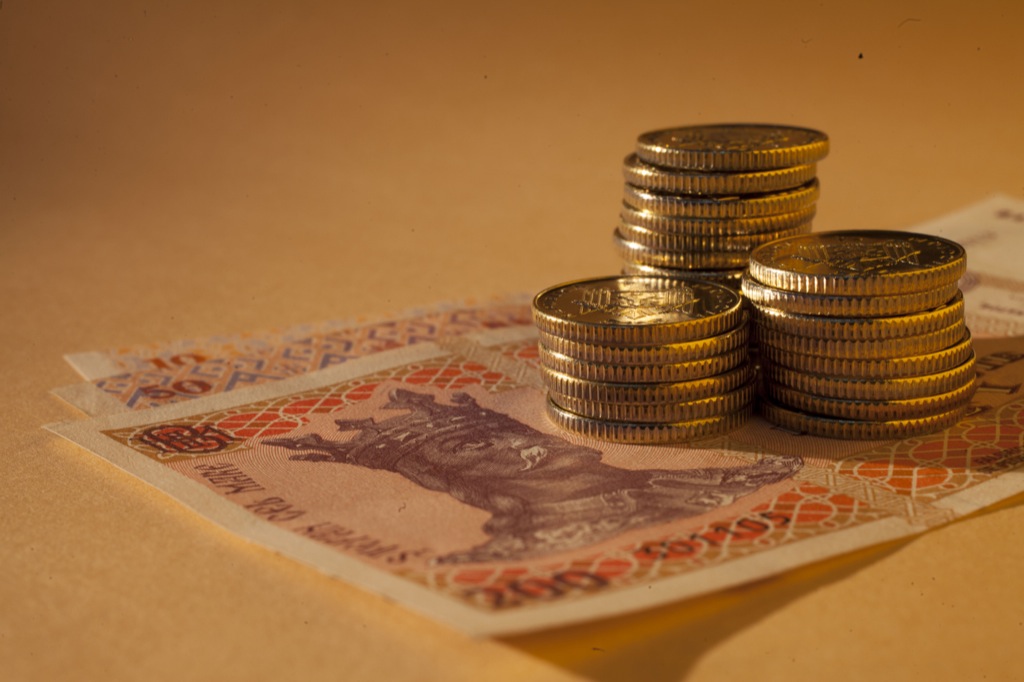
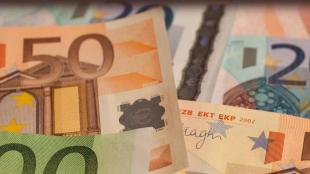
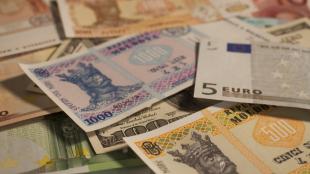
Banca Naţională a Moldovei, are dreptul exclusiv de a emite pe teritoriul Republicii Moldova bancnote şi monede metalice ca mijloc de plată. BNM pune în circulaţie bancnote şi monede metalice, prin intermediul sistemului bancar.



Banca Naţională este unica instituţie care efectuează licenţierea, supravegherea şi reglementarea activităţii instituţiilor financiare.


Banca Națională supraveghează sistemul de plăţi în Republica Moldova şi promovează funcţionarea stabilă şi eficientă a sistemului automatizat de plăţi interbancare.



Banca Naţională este o persoană juridică publică autonomă şi este responsabilă faţă de Parlament.

BNM publică statistici privind masa monetară, sectorul bancar, balanța de plăți, situația pieței valutare, etc. pentru a asigura transparența în procesul de elaborare și adoptare a deciziilor BNM, a asigura continuitatea în comunicare și predictibilitatea BNM pe piață, pentru sporirea credibilității BNM în calitate de bancă centrală dar și pe piața financiar-bancară din Republica Moldova.


The International Monetary Fund (IMF) is an international organization whose objective is to promote international monetary cooperation, encourage the expansion and balanced growth of international trade, as well as to promote currency stability. The Republic of Moldova accepted the IMF Statute by the Parliament Decision No. 1107/1992, and on 12 August 1992 it became a member of the IMF.
Being the fiscal agency of the Republic of Moldova within the IMF, the NBM is authorized to carry out, on behalf of the Republic of Moldova, all operations and transactions authorized according to the IMF Statute.
Within the IMF, the Republic of Moldova is part of the group of countries (constituency) that includes Andorra, Armenia, Belgium, Bosnia and Herzegovina, Bulgaria, Cyprus, Croatia, Georgia, Israel, Luxembourg, the Republic of North Macedonia, Montenegro, Romania, the Kingdom of the Netherlands and Ukraine.
The position of governor of the Republic of Moldova within the Board of Governors of the IMF is held by the Governor of the NBM, while that of alternate governor is held by the First Deputy Governor of the NBM.
The current quota of the Republic of Moldova in the IMF is 172.5 million Special Drawing Rights (SDR), which represents 0.04 percent of the IMF's capital. This quota entered into force on 17 February 2016, after the Republic of Moldova increased its previous quota of SDR 123.2 million. The respective increase occurred in the context of 2 important reforms initiated by the IMF in 2010 – the Fourteenth General Review of Quotas and the Reform of the IMF Executive Board. Resulting from the implementation of the above-mentioned reforms, the capital of the IMF has been doubled (from 238.5 billion SDR to 477 billion SDR), the quotas of the member countries have been adjusted to more accurately reflect their position in the global economy, and the IMF Executive Board has become more representative. Our country has expressed its support for these reforms by adopting Law on the increase of the Republic of Moldova’s quota subscription in the International Monetary Fund No.109/2012 and Law for accepting the Amendment to the Statute of the International Monetary Fund on the reform of the IMF Executive Board No. 118/2012.
On 30 June 1995, Moldova accepted the provisions of Article VIII of the IMF Statute. Hereby, the Republic of Moldova shall not impose restrictions on the making of payments and transfers for current international transactions or engage in discriminatory currency arrangements or multiple currency practices, without the approval / consultation of the IMF.
Since joining the IMF, the Republic of Moldova has been benefiting from the financial assistance of this organization for supporting various economic programs and policies of the national authorities. This assistance has been provided by means of the following IMF financing instruments: Compensatory and Contingency Financing Facility (CCFF), Systemic Transformation Facility (STF), Stand-By Arrangement (SBA), Extended Fund Facility (EFF), Poverty Reduction and Growth Facility (PRGF), which since 2009 has been called Extended Credit Facility (ECF), Rapid Credit Facility (RCF), Rapid Financing Instrument (RFI).
Annually, the IMF grants the Republic of Moldova consultations in the area of economic and financial policy, according to the provisions of Article IV of the IMF Statute, which regulates the cooperative relations between member countries and the IMF.
The NBM is an active participant within the Special Data Dissemination Standard (SDDS), the Republic of Moldova subscribed to in May 2006. Periodically, data on economic and financial indicators are made available to the public in order to ensure the transparency of the country's macroeconomic policies and performances.
Following the consequences of the financial crisis of 2008, the IMF extended the project on Financial Soundness Indicators (FSI), inviting several countries, including the Republic of Moldova, to participate in the nominated project. The NBM was designated as the institution responsible for compiling the information related to the FSI and its submission to the IMF. The core objective of the FSI is to promote macroprudential analysis and assess the strengths and vulnerabilities of financial systems.
As part of the policies for evaluating the degree of adoption of international standards in the fields relevant to the IMF's activity, the Republic of Moldova participated in various programs, including:
The announcements of the IMF representative office in the Republic of Moldova, the policy programs agreed with the IMF, the reports, as well as other information are available on the website of the IMF:


