
Bine ați venit pe pagină oficială a Băncii Naționale a Moldovei!



Bine ați venit pe pagină oficială a Băncii Naționale a Moldovei!
Cele mai populare rapoarte statistice:

Banca Naţională şi membrii organelor de conducere ale acesteia sunt independenţi în exercitarea atribuţiilor stabilite de lege şi nu pot solicita şi nici accepta instrucţiuni de la autorităţile publice sau de la orice altă autoritate.



Banca Naţională informează publicul despre evoluția inflației anuale, strategia de politică monetară,rezultatele analizei macroeconomice, evoluţiei pieţei financiare şi informaţia statistică, inclusiv privind masa monetară, acordarea creditelor, balanţa de plăţi şi situaţia pieţei valutare.


Pentru asigurarea şi menţinerea stabilităţii preţurilor pe termen mediu, Banca Naţională a Moldovei menţine inflaţia (măsurată prin indicele preţurilor de consum) la nivelul de 5.0 la sută anual cu o posibilă abatere de ± 1.5 puncte procentuale, fiind considerat nivelul optim pentru creşterea şi dezvoltarea economică a Republicii Moldova pe termen mediu.




Stabilitatea financiară se realizează prin consolidarea rezilienței sistemului financiar, limitarea efectului de contagiune și diminuarea acumulării de riscuri sistemice, contribuind, astfel, la sustenabilitatea sectorului financiar și creșterea economică.



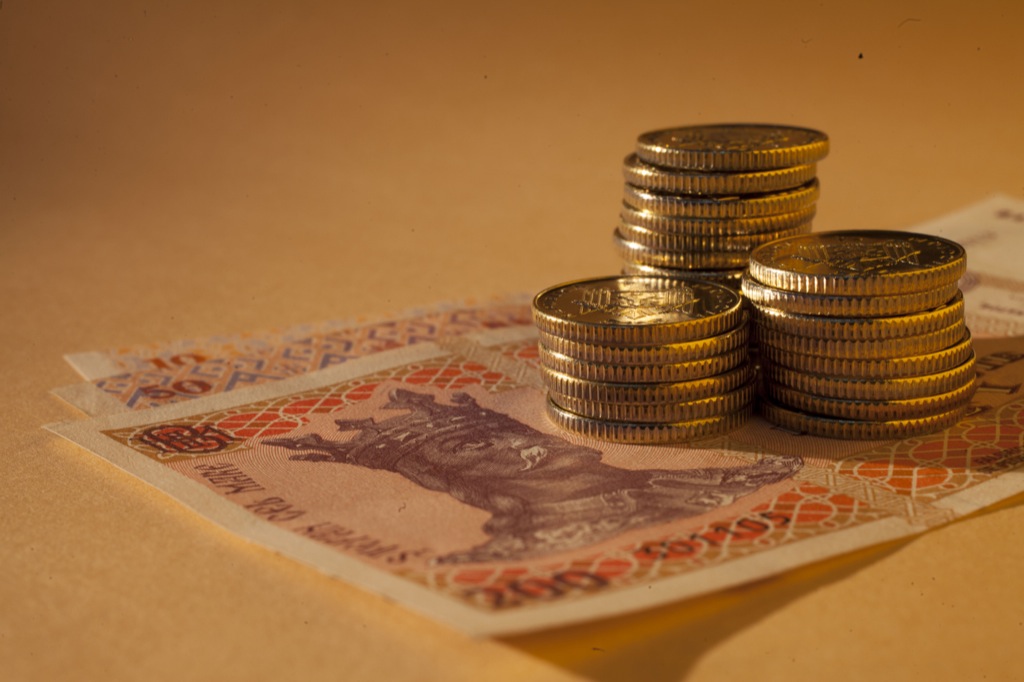
Banca Naţională a Moldovei, are dreptul exclusiv de a emite pe teritoriul Republicii Moldova bancnote şi monede metalice ca mijloc de plată. BNM pune în circulaţie bancnote şi monede metalice, prin intermediul sistemului bancar.




Banca Naţională este unica instituţie care efectuează licenţierea, supravegherea şi reglementarea activităţii instituţiilor financiare.



Banca Națională supraveghează sistemul de plăţi în Republica Moldova şi promovează funcţionarea stabilă şi eficientă a sistemului automatizat de plăţi interbancare.



Banca Naţională este o persoană juridică publică autonomă şi este responsabilă faţă de Parlament.

BNM publică statistici privind masa monetară, sectorul bancar, balanța de plăți, situația pieței valutare, etc. pentru a asigura transparența în procesul de elaborare și adoptare a deciziilor BNM, a asigura continuitatea în comunicare și predictibilitatea BNM pe piață, pentru sporirea credibilității BNM în calitate de bancă centrală dar și pe piața financiar-bancară din Republica Moldova.


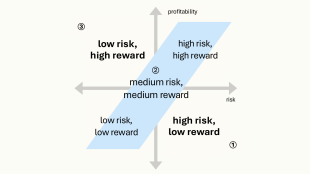
The fundamental objective of the National Bank of Moldova (NBM) is to ensure and maintain price stability. To achieve this medium-term goal, the NBM maintains inflation at an annual rate of 5 percent, with a possible deviation of ± 1.5 percentage points and implements a managed floating exchange rate regime. This exchange rate regime means that the NBM does not target a predetermined exchange rate for the Moldovan leu against other currencies; instead, the exchange rate level is determined by supply and demand developments in the local foreign exchange market. The managed floating exchange rate regime is appropriate for a small and open economy such as that of the Republic of Moldova, as it ensures monetary policy autonomy and economic stabilization through the exchange rate mechanism.
Thus, in certain situations, the NBM may intervene in the foreign exchange market without jeopardizing the achievement of the fundamental objective. NBM interventions are carried out with the purpose of:
This flexible approach helps the Republic of Moldova's economy to adapt more easily to external and internal changes and shocks.
The decision to intervene in the foreign exchange market is the result of a rigorous process, which includes:
Types of interventions can be:
In order to maintain the proper functioning of the market, information on foreign exchange interventions is subsequently published in regular official reports.
The NBM always acts with transparency, responsibility, and care to avoid distortions in the foreign exchange market and to support the country's economic stability.


