Bine ați venit pe pagină oficială a Băncii Naționale a Moldovei!



Bine ați venit pe pagină oficială a Băncii Naționale a Moldovei!
Cele mai populare rapoarte statistice:

Banca Naţională şi membrii organelor de conducere ale acesteia sunt independenţi în exercitarea atribuţiilor stabilite de lege şi nu pot solicita şi nici accepta instrucţiuni de la autorităţile publice sau de la orice altă autoritate.



Banca Naţională informează publicul despre evoluția inflației anuale, strategia de politică monetară,rezultatele analizei macroeconomice, evoluţiei pieţei financiare şi informaţia statistică, inclusiv privind masa monetară, acordarea creditelor, balanţa de plăţi şi situaţia pieţei valutare.

Pentru asigurarea şi menţinerea stabilităţii preţurilor pe termen mediu, Banca Naţională a Moldovei menţine inflaţia (măsurată prin indicele preţurilor de consum) la nivelul de 5.0 la sută anual cu o posibilă abatere de ± 1.5 puncte procentuale, fiind considerat nivelul optim pentru creşterea şi dezvoltarea economică a Republicii Moldova pe termen mediu.




Stabilitatea financiară se realizează prin consolidarea rezilienței sistemului financiar, limitarea efectului de contagiune și diminuarea acumulării de riscuri sistemice, contribuind, astfel, la sustenabilitatea sectorului financiar și creșterea economică.



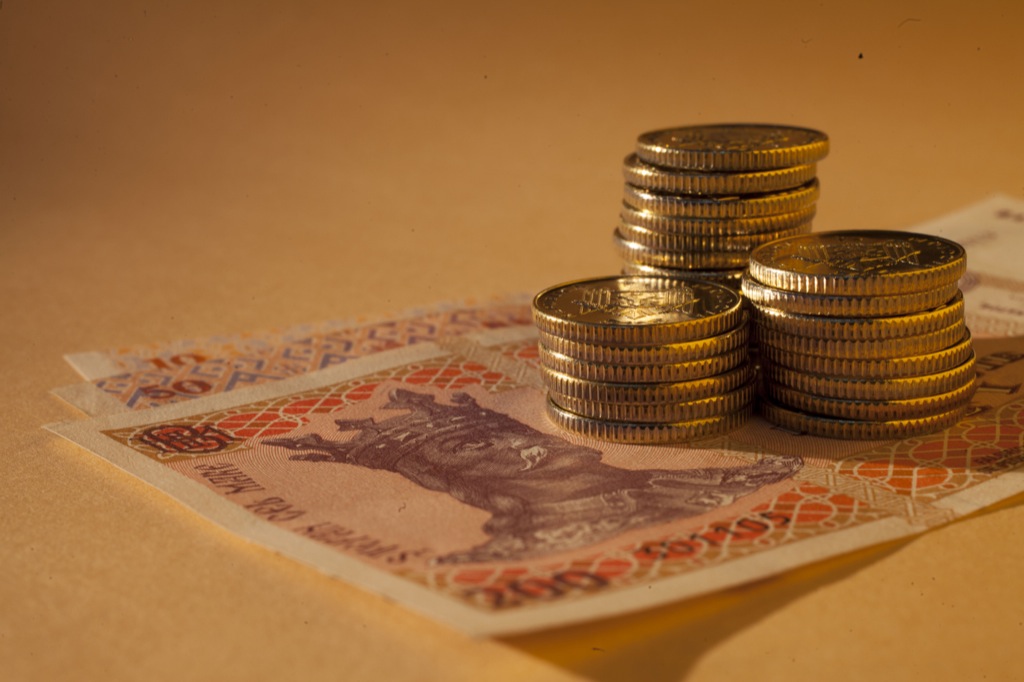
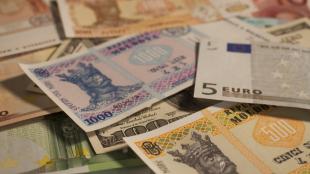
Banca Naţională a Moldovei, are dreptul exclusiv de a emite pe teritoriul Republicii Moldova bancnote şi monede metalice ca mijloc de plată. BNM pune în circulaţie bancnote şi monede metalice, prin intermediul sistemului bancar.




Banca Naţională este unica instituţie care efectuează licenţierea, supravegherea şi reglementarea activităţii instituţiilor financiare.



Banca Națională supraveghează sistemul de plăţi în Republica Moldova şi promovează funcţionarea stabilă şi eficientă a sistemului automatizat de plăţi interbancare.


Banca Naţională este o persoană juridică publică autonomă şi este responsabilă faţă de Parlament.

BNM publică statistici privind masa monetară, sectorul bancar, balanța de plăți, situația pieței valutare, etc. pentru a asigura transparența în procesul de elaborare și adoptare a deciziilor BNM, a asigura continuitatea în comunicare și predictibilitatea BNM pe piață, pentru sporirea credibilității BNM în calitate de bancă centrală dar și pe piața financiar-bancară din Republica Moldova.


The Executive Board of the National Bank of Moldova, at its meeting on 6 February 2024, adopted by unanimous vote the following decision:
The Executive Board of the NBM approved today the Inflation Report, February 2024, to be published on 13 February 2024.
In December 2023, inflation was within the target range for the third consecutive month. Thus, today's decision by the NBM contributes to strengthening this performance, further stimulating the currently disinflationary aggregate demand, including by encouraging consumption, balancing the national economy and anchoring inflation expectations.
The NBM closely monitors the inflation process, assessing the associated risks and uncertainties, and future decisions of the Executive Board will be aimed at maintaining inflation within the range of ±1.5 percentage points from the target of 5.0 %, a level considered optimal for the medium-term economic growth and development of the Republic of Moldova.
Overall, the current forecast confirms the previously predicted trends.
Annual inflation fell to 4.2 % in December 2023, or 4.4 percentage points lower than expected in September. The insignificant deviation was mainly caused by the unanticipated decrease in the electricity tariff in November and the statistical reflection of the compensation granted to the population for energy resources during the cold period of the year.
The restrictive monetary policy measures adopted by the NBM from summer 2021 to the end of 2022, together with the appreciation of Moldovan Leu and the decrease in regional energy and food prices, have significantly contributed to the decrease in inflation.
External environment. The world economy has evolved in a fragmented way at the beginning of 2024. The US economy is better off than the Euro area, where fiscal consolidation poses a risk to reviving the economic activity. The real estate crisis in China is broadening, with repercussions for the securities and corporate bond markets. The wars in Ukraine and Palestine continue. Yemen rebel attacks on ships in the Red Sea as well as the US and allied response have disrupted navigation through the Suez Canal. The traders have to bypass Africa and therefore logistics and transportation costs have increased. In advanced economies, annual inflation has fallen towards the targets set by central banks, but monetary authorities are in no hurry to cut interest rates because of the pronounced risks and uncertainties. High interest rates and structural changes in world trade in recent years maintain economic growth at low levels.
Economic activity increased by 2.6 % per annum in the third quarter of 2023. The increase was largely due to a rich harvest that led to higher exports and lower imports of agri-food products. Consumption and investment declined due to low real household income growth and high uncertainty in the region. As a result, domestic demand is still weak. On the supply side, the financial sector, communications, social services, construction and real estate transactions developed positively, while industry, trade, transport and net taxes on products contracted.
According to operational data published by the NBS for November 2023, mixed trends in economic activity are observed. Exports and retail trade increased in nominal terms by 6.7 % and 2.3 % respectively. Import, industrial production, wholesale trade decreased by 14.7 %, 6.1 % and 3.5 % respectively. In terms of sources of consumption financing, transfers to individuals decreased by 12.8 % per annum.
Monetary conditions. Excess liquidity in the banking sector amounted to MDL 9.4 billion, decreasing by MDL 0.6 billion in the fourth quarter of 2023 compared to the previous quarter. The annual growth of the monetary aggregate M3 in the fourth quarter of 2023 was 18.3 %, largely on account of deposits in MDL. Interest rates on new loans and deposits in local currency continued to decline in the fourth quarter of 2023, including as a result of cumulative monetary policy stimulus measures. Thus, the weighted average rates on loans were 10.50 % and on deposits - 4.23 %, decreasing by 3.64 and 9.0 percentage points, respectively, compared to the fourth quarter of 2022.
Forecast. External demand is expected to be weak and external inflation is expected to decline towards the targets set by central banks. Monetary policy rates will decrease more slowly than expected. The US dollar will depreciate slightly due to its declining attractiveness amid lower interest rates and continued debates about the debt ceiling. Consumer demand in China and Europe and tensions in the Middle East are seen as the biggest risks to oil prices. Natural gas prices will be relatively stable, while food prices will increase modestly.
The annual inflation rate will oscillate insignificantly around the 5.0 % target, remaining within a range of ±1.5 percentage points over the next eight quarters. The dynamics will be largely due to all components. The aggregate demand will be disinflationary throughout the forecast period due to weak external demand, low consumption financing and tight monetary conditions. The rich harvest in 2023 and the positive fiscal impulse from the second quarter of 2025 will dampen the decrease in aggregate demand.
Average annual inflation will be around 4.7 % this year and 4.5 % next year.
The trends anticipated in previous rounds remain valid. The inflation forecast has been lowered slightly for the first quarter of 2024 and increased for the rest of the comparable period. The forecast for core and regulated price inflation increased, mainly on account of the rise in excise duties and respectively the re-estimation of the impact of the reflection of the compensation granted to the population for energy resources in the cold period of the year. Food and fuel price forecasts have been lowered.
The risks and uncertainties of the forecast remain high. From the external environment, sources such as tensions in the Middle East, the duration of the Red Sea shipping blockade, the war in Ukraine, temporary supply shocks, food prices, the continued decline in economic activity in the Euro area, the start of the easing monetary policy measures in the region and globally, as well as a possible geopolitical configuration after the 2024 elections that could lead to changes in economic policies are emerging. The main domestic uncertainties include tariff adjustments, changes in CPI basket weights, the statistical reflection of energy resource compensation granted to the population during the cold season, refugee flows, weather conditions and future harvests.
The Inflation Report, February 2024, which contains the analysis of the domestic and external economic situation and the medium-term inflation forecast, shall be presented by the Governor of the NBM and published on the official website on 13 February 2024.
The next meeting of the Executive Board of the NBM on monetary policy promotion will take place on 21 March 2024, according to the approved calendar.
Evolution of the NBM interest rates


