Bine ați venit pe pagină oficială a Băncii Naționale a Moldovei!



Bine ați venit pe pagină oficială a Băncii Naționale a Moldovei!
Cele mai populare rapoarte statistice:
Banca Naţională şi membrii organelor de conducere ale acesteia sunt independenţi în exercitarea atribuţiilor stabilite de lege şi nu pot solicita şi nici accepta instrucţiuni de la autorităţile publice sau de la orice altă autoritate.



Banca Naţională informează publicul despre evoluția inflației anuale, strategia de politică monetară,rezultatele analizei macroeconomice, evoluţiei pieţei financiare şi informaţia statistică, inclusiv privind masa monetară, acordarea creditelor, balanţa de plăţi şi situaţia pieţei valutare.

Pentru asigurarea şi menţinerea stabilităţii preţurilor pe termen mediu, Banca Naţională a Moldovei menţine inflaţia (măsurată prin indicele preţurilor de consum) la nivelul de 5.0 la sută anual cu o posibilă abatere de ± 1.5 puncte procentuale, fiind considerat nivelul optim pentru creşterea şi dezvoltarea economică a Republicii Moldova pe termen mediu.




Stabilitatea financiară se realizează prin consolidarea rezilienței sistemului financiar, limitarea efectului de contagiune și diminuarea acumulării de riscuri sistemice, contribuind, astfel, la sustenabilitatea sectorului financiar și creșterea economică.



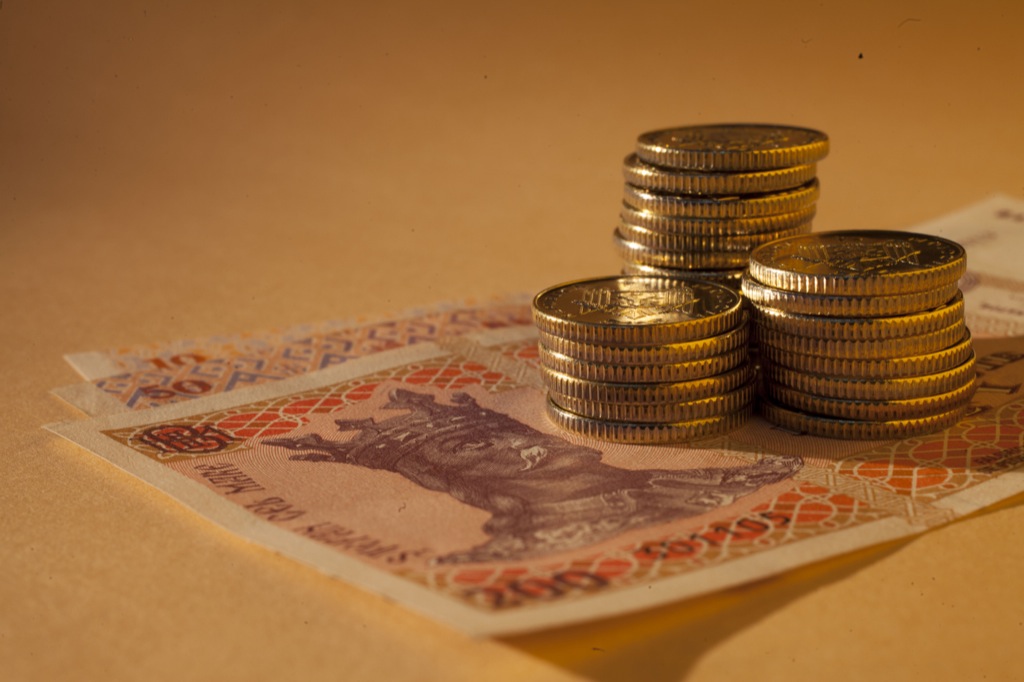
Banca Naţională a Moldovei, are dreptul exclusiv de a emite pe teritoriul Republicii Moldova bancnote şi monede metalice ca mijloc de plată. BNM pune în circulaţie bancnote şi monede metalice, prin intermediul sistemului bancar.




Banca Naţională este unica instituţie care efectuează licenţierea, supravegherea şi reglementarea activităţii instituţiilor financiare.


Banca Națională supraveghează sistemul de plăţi în Republica Moldova şi promovează funcţionarea stabilă şi eficientă a sistemului automatizat de plăţi interbancare.


Banca Naţională este o persoană juridică publică autonomă şi este responsabilă faţă de Parlament.

BNM publică statistici privind masa monetară, sectorul bancar, balanța de plăți, situația pieței valutare, etc. pentru a asigura transparența în procesul de elaborare și adoptare a deciziilor BNM, a asigura continuitatea în comunicare și predictibilitatea BNM pe piață, pentru sporirea credibilității BNM în calitate de bancă centrală dar și pe piața financiar-bancară din Republica Moldova.


The Executive Board of the National Bank of Moldova, at its meeting on 18 June 2026 adopted by unanimous vote the following decision:
The National Bank of Moldova’s decision to continue its restrictive monetary policy measures was adopted in the context of intensifying inflationary pressures stemming both from the supply side, due to unfavourable trends in international prices for energy resources, food products, and raw materials, and from the domestic demand side, supported by favourable dynamics of household income.
Thus, the NBM’s decision to raise the base rate aims to temper the pace of consumer price growth, mitigate the secondary effects of supply shocks, encourage saving over consumption, and anchor inflation expectations in order to bring the annual inflation rate back within the range of ±1.5 percentage points of the medium-term inflation target of 5.0 percent.
Recent macroeconomic data largely confirm the main assumptions and conclusions set forth in the forecast published in the May 2026 Inflation Report, which projects an upward trend in inflation through the end of this year, followed by a decline beginning in the first quarter of 2027.
The NBM will continue to closely monitor domestic and external macroeconomic situation, as well as the risks and uncertainties associated with short- and medium-term inflation developments, and stands ready to use, as necessary, the tools at its disposal to achieve its fundamental objective of ensuring and maintaining price stability.
Annual inflation stood at 6.76 percent in May 2026 and remained above the upper limit of the ±1.5 percentage point range around the medium-term inflation target of 5.0 percent. In the reference month, inflation dynamics exceeded the level projected in the May 2026 Inflation Report. This deviation from the forecast was driven by an upward deviation in regulated prices, which was partially offset by lower-than-expected developments in core inflation, food prices, and fuel prices.
The external environment has seen moderate upward revisions compared to the assumptions presented in the May 2026 Inflation Report. The global economic outlook continues to be marked by a high degree of uncertainty, amid persistent geopolitical and trade tensions, as well as risks associated with the functioning of major international logistics and trade routes, including the Strait of Hormuz.
In this context, the outlook for economic growth in the euro area remains subdued, while inflation is on the rise, reaching 3.2 percent in May 2026, reflecting mounting inflationary pressures.
On international commodity markets, the price of Brent crude oil and European natural gas quotations continue to be characterised by high short-term volatility. At the same time, international food markets continue to indicate a moderate upward trend in prices amid risks stemming from logistical disruptions and rising production costs, including those related to fertilisers and energy.
Economic activity. In the first quarter of 2026, annual GDP dynamics moderated, registering a 0.4 percent increase compared to the first quarter of 2025. By category of resources, this trend was driven by negative contributions from the following sectors: real estate transactions, information and communications, and construction. At the same time, their negative impact was offset by positive developments in the following sectors: manufacturing; wholesale and retail trade; maintenance and repair of motor vehicles and motorcycles; production and supply of electricity, heat, gas, hot water, and air conditioning; transportation and warehousing; etc. From the perspective of uses, exports of goods and services, final consumption of households, and final consumption of the general government increased during this period, while gross fixed capital formation and imports of goods and services declined.
Thus, in March 2026, industrial production rose by 12.3 percent, while retail and wholesale trade increased by 15.4 percent and 17.7 percent, respectively. At the same time, from January through April, the annual rate of exports stood at 10.9 percent, while the annual rate of imports increased by 5.7 percent compared to the same period of the previous year. In the first quarter of 2026, the volume of goods transported recorded an annual increase of 15.1 percent.
As for the sources of financing for consumption in the first quarter of 2026, it is worth noting the 11.6 percent increase in the wage fund in nominal terms. Money transfers from abroad to individuals rose by 32.2 percent (on a net basis) in April of this year compared to April 2025. Furthermore, in May 2026, the volume of new consumer loans granted to individuals in the national currency recorded an annual increase of 14.2 percent.
Monetary conditions. The monetary policy decision in May 2026 and the resulting situation in the money market led to an increase in the weighted average interest rates on new loans and deposits in MDL. Thus, the weighted average interest rate on loans stood at 9.12 percent, and that on deposits at 5.52 percent, up by 0.07 and 0.33 percentage points, respectively, compared to April 2026.
Forecast update. In the context of persistent uncertainties surrounding the outcome of the negotiations between the U.S. and Iran and the resumption of normal transit through the Strait of Hormuz, with implications for international trade and global economic activity, the balance of risks to the medium-term inflation forecast remains tilted to the upside until the fourth quarter of 2026 and to the downside until the end of the forecast horizon.
Furthermore, the forecast update is subject to a number of risks and uncertainties related to the timing and magnitude of tariff adjustments for regulated services, the impact of the implementation of the new fiscal policy, the adoption of the new law on the public sector wage system, and the reform of local public administration.
The next meeting of the NBM Executive Board on monetary policy will take place on 6 August 2026, in accordance with the approved schedule.


